Home >

Affordable DIY Algae Control Tips

Affordable DIY Algae Control Tips

DIY Algae Control Solutions for Homeowners on a Budget
Evelyn Thatcher | 2026-01-18

Are your outdoor spaces becoming overrun with unsightly algae? If you’ve ever been frustrated by persistent green patches, understanding the causes and solutions is crucial. This guide offers practical insights into managing algae effectively while keeping your budget in mind.

What You Will Learn

  • Algae thrives in warm temperatures, high nutrient levels, and stagnant water, making awareness key for prevention.
  • Unchecked algae growth can lead to serious issues like water quality decline, health risks, and structural damage to patios and pools.
  • Seasonal changes impact algae growth; proactive management during spring and summer is essential for keeping outdoor spaces pristine.
  • Effective DIY methods for algae control include shock treatments, natural alternatives like vinegar, and maintaining a regular cleaning schedule.
  • For ponds, incorporating eco-friendly solutions such as pond dyes and beneficial bacteria can help maintain a healthy ecosystem.
  • Cost-effective strategies for patios include using homemade cleaning solutions and landscaping to reduce moisture and improve drainage.

Algae Growth Factors and Control Strategies

Understanding the factors that contribute to algae growth and the various control methods is crucial for maintaining clear outdoor spaces. This visual summarizes key elements and strategies.

Factors Fueling Algae Growth

  • Excess Nutrients (from fertilizers)
  • Warm Temperatures (spring & summer)
  • Stagnant Water (poor circulation)

Risks of Uncontrolled Algae

  • Water Quality Decline (endangers aquatic life)
  • Health Concerns (toxins harmful to humans/pets)
  • Structural Damage (patios, pool linings)

Seasonal Prevention Strategies

  • Spring: Early treatments & water testing
  • Summer: Increased maintenance, natural controls
  • Fall: Clear debris, manage nutrients for winter

DIY Algae Control Methods

  • Pools: Shock treatments, bleach/vinegar, weekly cleaning
  • Ponds: Pond dyes, fish-safe herbicides, beneficial bacteria
  • Patios: Vinegar/baking soda, increase sunlight/drainage

Understanding Algae Growth and Its Impact on Homeowners

Algae can seem harmless at first, but for many homeowners, it can quickly become a frustrating and persistent problem. Understanding algae growth is essential for maintaining a clean and healthy outdoor space. In this section, I’ll share insights into what causes algae to thrive, the risks associated with uncontrolled growth, and how seasonal changes can affect your algae management efforts.
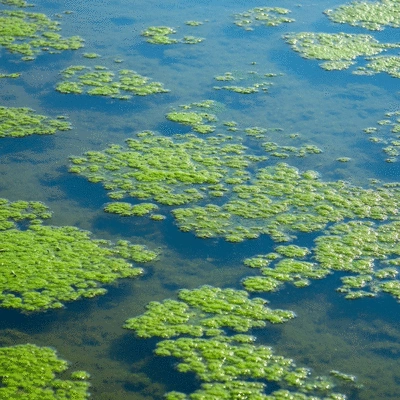
Algae thriving in a stagnant, nutrient-rich pond with warm temperatures

What Causes Algae to Thrive in Your Outdoor Spaces?

Algae growth is often fueled by a combination of factors, including nutrient overload and temperature. Key contributors include:

  • Excess nutrients: High levels of nitrogen and phosphorus from fertilizers can create an ideal environment for algae.
  • Warm temperatures: Algae thrives in warmer weather, especially during spring and summer.
  • Stagnant water: Areas with poor circulation, such as ponds or stagnant pools, often see increased algae growth.

As a pond care expert at Clear Pond Solutions, I’ve seen firsthand how these factors can lead to rapid algae blooms. Regular monitoring of your water quality is crucial for keeping your outdoor spaces beautiful and healthy!

The Risks of Uncontrolled Algae Growth in Pools, Ponds, and Patios

Letting algae go unchecked can lead to a host of problems. Not only does it create unsightly green patches, but it can also pose health risks for you and your family. For instance, some types of algal blooms, known as harmful algal blooms (HABs), can produce toxins that are dangerous to humans and pets. Here are some potential issues:

  • Water quality decline: Algae can consume oxygen in the water, endangering fish and other aquatic life.
  • Health concerns: Some types of algae can release toxins harmful to humans and pets, as extensively studied by the Environmental Protection Agency (EPA) regarding cyanobacterial HABs.
  • Structural damage: Algae can contribute to the deterioration of surfaces like patios and pool linings over time.

By understanding these risks, homeowners can take proactive measures to prevent algae from taking over their outdoor spaces. Are you currently dealing with an algae problem? Let’s explore how to tackle it effectively!

Seasonal Algae Growth: Patterns and Prevention Strategies

Algae growth isn’t static; it changes with the seasons. For instance, during the warmer months, you may notice a spike in algae growth, while colder temperatures can slow it down. Here’s how to adapt your strategies:

  • Spring: Start treatments early before algae has a chance to bloom. Regularly test your water quality during this time!
  • Summer: Increase maintenance efforts as temperatures rise. This might include more frequent water changes or adding natural algae controls.
  • Fall: Prepare your pond or pool for winter by clearing debris and managing nutrient levels to prevent algae from thriving during the cold months.

By adjusting your prevention strategies based on seasonal patterns, you can significantly reduce the likelihood of algae becoming a persistent problem. Let’s keep those outdoor spaces serene and inviting all year round!

We Want to Hear From You!

How do you currently manage algae growth in your outdoor spaces? Share your experiences and tips with us!

DIY Algae Control Solutions for Budget-Conscious Homeowners

As a pond care expert, I understand that tackling algae growth can feel daunting, especially when budgets are tight. Fortunately, there are numerous effective DIY solutions that don’t require breaking the bank! In this section, I'll share practical methods you can implement to control algae in your pools, ponds, and patios with items you probably already have at home.

From using simple shock treatments to exploring natural alternatives, we’ll cover a variety of techniques designed to keep your outdoor spaces clean and healthy. Are you ready to dive into these budget-friendly solutions?
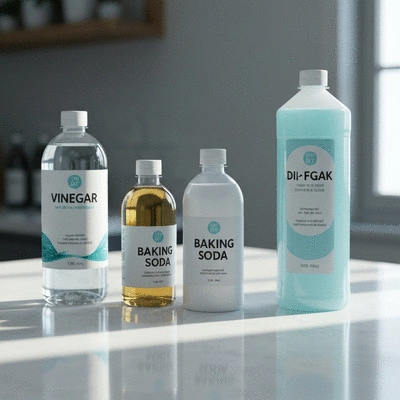
Various DIY algae control products like vinegar, baking soda, and pool shock on a clean counter

Effective DIY Methods for Pool Algae Control

When it comes to maintaining clear and inviting pool water, you'll want to employ a mix of treatments. Here are some effective DIY methods to keep algae at bay:

  • Shock Treatments: Regularly shock your pool with chlorine to eliminate existing algae.
  • Natural Alternatives: Consider using DIY solutions like bleach or vinegar, ensuring to follow safe application guidelines.
  • Preventive Maintenance: Maintain a weekly cleaning schedule to keep your pool environment balanced.

The key is to stay consistent with your maintenance routines. With these methods, you can enjoy a sparkling clean pool without emptying your wallet! Have you tried any of these methods before?

Shock Treatments: How to Use Them Safely

Shocking your pool is a vital step in controlling algae. To do this safely:

  • Follow the instructions on your chlorine product for the right dosage.
  • Ensure your pool’s pH is balanced (ideally between 7.2 and 7.6) before applying.
  • Run your pool filter for at least 24 hours after shocking.

By properly shocking your pool, you not only clear algae but also prevent future blooms. It’s a reliable practice I often recommend to clients!

Natural Alternatives: DIY Bleach and Vinegar Solutions

If you prefer an eco-friendly approach, consider using bleach or vinegar. Here’s how:

  • Bleach: Dilute regular bleach (unscented) with water in a 1:10 ratio and apply to affected areas.
  • Vinegar: Mix equal parts vinegar and water and spray directly onto algae deposits.

These natural solutions can effectively reduce algae without harming your pool’s balance. Just remember to rinse thoroughly after application!

Preventive Maintenance: Weekly Tips for Pool Owners

To ensure long-lasting results, incorporate these tips into your weekly maintenance routine:

  • Check and maintain proper water balance.
  • Skim the pool regularly to remove debris.
  • Brush pool walls to prevent algae buildup.

Staying on top of these tasks will make a world of difference in keeping your pool algae-free. What’s your current maintenance routine like?

Addressing Algae in Ponds: Safe and Cost-Effective Approaches

Pond care can be particularly tricky when algae starts to take over. Luckily, there are safe and affordable strategies to regain control. Here are some approaches to consider:

  • Copper Algaecides: These can effectively manage algae, but be cautious as they may harm beneficial aquatic life.
  • Eco-Friendly Solutions: Pond dyes and fish-safe herbicides can help manage algae without compromising your pond ecosystem. For a comprehensive overview of various control methods, you can refer to resources like the NEIWPCC's synopses on HAB control methods.
  • Integrating Beneficial Bacteria: Using products with beneficial bacteria helps create a natural balance in your pond.

Choosing eco-friendly methods is something I advocate at Clear Pond Solutions. It not only protects your pond but also promotes a healthier aquatic environment.

Utilizing Copper Algaecides: Pros and Cons

Copper algaecides can be effective but come with their own set of challenges.

  • Pros: Fast-acting and effective against many types of algae.
  • Cons: Potentially harmful to fish and plants if used excessively.

Always follow label directions closely when using these products, and consider doing a little research to determine the best approach for your pond!

Eco-Friendly Solutions: Pond Dyes and Fish-Safe Herbicides

Using pond dyes can alter the light penetration, thus limiting algae growth. Here’s how:

  • Pond Dyes: These are safe for fish and help reduce algae by blocking sunlight.
  • Fish-Safe Herbicides: Look for herbicides specifically labeled safe for aquatic life.

These methods align with our commitment to eco-friendly practices at Clear Pond Solutions. They not only control algae but also enhance the natural beauty of your pond!

Integrating Beneficial Bacteria for Natural Algae Control

Beneficial bacteria can be a game-changer for pond health. Consider these benefits:

  • They help break down organic matter.
  • Support a balanced ecosystem by competing with algae for nutrients.

Implementing beneficial bacteria is a natural, sustainable approach that I highly recommend for maintaining healthy pond environments.

Keeping Patios and Yards Algae-Free on a Budget

Patios and yards can also fall victim to algae, but there are simple, cost-effective solutions to ensure they remain clean and inviting. Here are some strategies:

  • Homemade Cleaning Solutions: Use a mix of vinegar and baking soda to scrub surfaces.
  • Long-Term Solutions: Enhance sunlight exposure and improve drainage to deter algae growth.
  • Landscaping Tips: Incorporate plants that absorb excess moisture and reduce algae-friendly conditions.

These tips not only keep your outdoor spaces looking great but also add value to your home. Have you implemented any of these approaches yet?

Homemade Cleaning Solutions: The Power of Vinegar and Baking Soda

For a quick cleaning solution, consider:

  • Vinegar: A fantastic natural cleaner that can kill algae when sprayed directly.
  • Baking Soda: Its abrasive texture helps scrub surfaces clean without harsh chemicals.

Mix these two ingredients for an effective cleaner that’s safe for your family and pets!

Long-Term Solutions: Enhancing Sunlight Exposure and Drainage

To create a less favorable environment for algae, focus on:

  • Pruning trees and shrubs to allow more sunlight.
  • Improving drainage to prevent standing water.

These adjustments can significantly impact your yard's health, making it harder for algae to thrive.

Landscaping Tips to Reduce Algae Growth

Finally, consider these landscaping tips:

  • Choose moisture-absorbing plants that thrive in your climate.
  • Implement mulch or gravel to improve drainage.

These strategies can help maintain a healthy, algae-free outdoor space that enhances your home’s curb appeal!

By applying these DIY algae control solutions, you can effectively manage algae in your outdoor spaces while sticking to a budget. Remember, maintaining a beautiful and healthy environment is within your reach. What solution will you try first?

Frequently Asked Questions About Algae Control

Q: What are the main factors contributing to algae growth in outdoor spaces?
A: Algae thrives in warm temperatures, high nutrient levels (often from fertilizers), and stagnant water due to poor circulation.
Q: What are the risks of ignoring uncontrolled algae growth?
A: Uncontrolled algae can lead to water quality decline, endangering aquatic life. Some types can also release toxins harmful to humans and pets, and it can cause structural damage to surfaces like patios and pool linings.
Q: How do seasonal changes affect algae growth, and what prevention strategies are recommended?
A: Algae growth increases in warmer months. In spring, start treatments early and test water quality. In summer, increase maintenance. In fall, clear debris and manage nutrient levels to prepare for winter.
Q: What DIY methods are effective for controlling algae in pools?
A: Effective DIY methods include regular shock treatments with chlorine, using natural alternatives like diluted bleach or vinegar solutions, and maintaining a consistent weekly cleaning schedule.
Q: What are some safe and cost-effective approaches for addressing algae in ponds?
A: Consider eco-friendly solutions like pond dyes and fish-safe herbicides, and integrate beneficial bacteria to balance the ecosystem. Copper algaecides can be used cautiously, following label directions.
Q: How can I keep patios and yards algae-free on a budget?
A: Use homemade cleaning solutions such as vinegar and baking soda. For long-term prevention, enhance sunlight exposure, improve drainage, and use landscaping tips like moisture-absorbing plants or gravel.

Recap of Key Points

Here is a quick recap of the important points discussed in the article:
  • Algae thrives in warm temperatures, stagnant water, and areas with excess nutrients like nitrogen and phosphorus.
  • Unchecked algae growth can lead to water quality decline, health concerns, and structural damage.
  • Adapting algae management strategies to seasonal changes is crucial for effective control.
  • DIY methods for algae control include regular shock treatments, natural alternatives like vinegar and bleach, and consistent preventive maintenance.
  • For ponds, consider using eco-friendly solutions, integrating beneficial bacteria, and employing copper algaecides with caution.
  • Homemade cleaning solutions and landscaping tips can help keep patios and yards algae-free on a budget.
Subscribe & Share

About Clear Pond Solutions

At Clear Pond Solutions, we empower you with expert guidance and eco-friendly solutions to create and maintain pristine, healthy pond ecosystems. Your thriving pond is our priority.