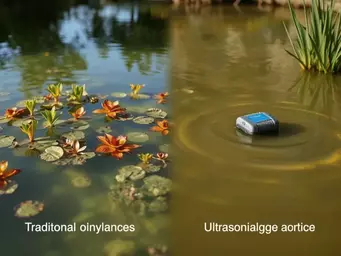
Impact 1
Property Values & Aesthetics
Well-maintained ponds enhance property values and neighborhood appeal, while poor quality detracts.
+ Value- Algae

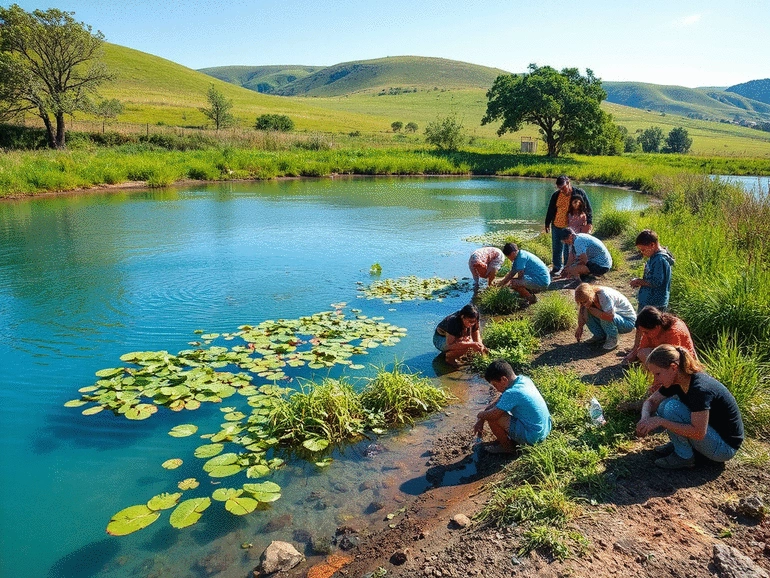
What impact does your community's water quality have on your daily life? Understanding the significance of stormwater ponds goes beyond aesthetics; it influences local ecosystems, property values, and public health. Let's explore the key insights that can guide you toward enhancing these vital resources.
This visual outlines the interconnected process of maintaining stormwater pond water quality, highlighting key areas of impact and effective strategies.
Well-maintained ponds enhance property values and neighborhood appeal, while poor quality detracts.
Support for local wildlife and diverse aquatic life depends heavily on clean water.
Volunteer cleanups, workshops, and monitoring teams foster ownership and understanding.
Bioswales, rain gardens, and sediment traps filter runoff and reduce pollution effectively.

Maintaining high water quality in stormwater ponds is crucial for several reasons. Not only do these ponds support local ecosystems, but they also play a significant role in enhancing property values and promoting community health. Poor water quality can lead to issues like algal blooms, which harm aquatic life and make ponds unappealing for residents.
When stormwater ponds are well-maintained, they provide habitats for wildlife and improve the overall aesthetic of neighborhoods. Furthermore, clean water helps reduce pollutants that could otherwise enter our waterways. Have you considered how your community's ponds impact your daily life?
As you can see, the health of our stormwater ponds is intertwined with the well-being of our communities. It’s essential to recognize that every small action contributes to the larger goal of maintaining clean water and vibrant ecosystems.
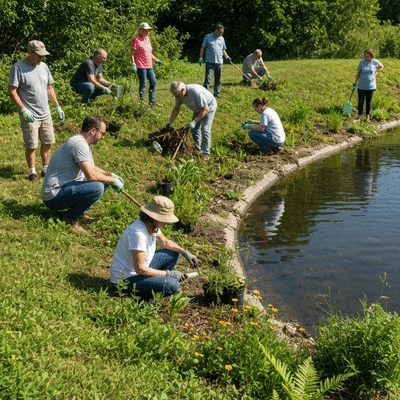
Engaging community members is vital for enhancing stormwater pond management. When residents actively participate in these initiatives, they not only gain a deeper understanding of water quality issues but also feel a sense of ownership over their local environment. Grassroots participation leads to more effective and sustainable practices.
Community engagement can take many forms, and some effective methods include:
These activities foster a spirit of collaboration, bringing neighbors together to share knowledge and resources. Through community-driven efforts, we can empower individuals to play an active role in improving stormwater pond health.
Implementing Best Management Practices (BMPs) is essential for improving water quality in stormwater ponds. These practices are designed to minimize pollution and enhance the ecological balance of our water bodies. Here are some effective BMPs communities can adopt:
By incorporating these BMPs, communities can greatly enhance the health of their stormwater ponds. These practices not only help in reducing pollution but also provide an opportunity for community members to engage with their environment. Have you seen any BMPs in action in your area?
Detail how adaptive controls and smart pond technology contribute to pollutant reduction and management efficiency. These innovative approaches can significantly enhance stormwater pond management. For more insights into how such technologies can be implemented and their broader impact, you might find information on advanced stormwater management strategies valuable.
Explore how green infrastructure, including rain gardens and permeable pavements, can improve stormwater management and water quality. These natural solutions are often more sustainable and aesthetically pleasing. The University of Minnesota's Water Resources Center provides additional resources on effective stormwater pond management, including green infrastructure benefits.
Provide practical tips for community members on maintenance practices such as aeration, dredging, and effective vegetation management.
We want to know your thoughts! Have you participated in any community initiatives to improve stormwater pond water quality? Share your experience with us:
As we wrap up our discussion, it's clear that community efforts play a crucial role in stormwater pond water quality improvement. When neighborhoods come together, their collective actions lead to significant benefits. Not only do these initiatives enhance local ecosystems, but they also positively impact property values and community health. Engaging in these efforts fosters a sense of ownership and responsibility among residents, creating a ripple effect of awareness and care throughout the community.
Moreover, by implementing the practices we've discussed—like adopting best management practices (BMPs), leveraging innovative technologies, and promoting community engagement—we lay a strong foundation for sustainable stormwater management. This collaborative approach ensures that our ponds remain clean and vibrant, supporting the diverse wildlife they host and the people who cherish them.
Ultimately, the future of community-based stormwater management depends on our willingness to work together. By taking action now, we can ensure that generations to come will enjoy clean, healthy ponds and the myriad benefits they bring.
Now that we've explored the importance of community involvement in stormwater management, it’s time to think about the next steps you can take! Engaging your community doesn’t have to be daunting. Here are some simple yet effective ways to get started:
Are you ready to make a difference? By fostering collaboration among residents, local governments, and environmental groups, we can create a powerful network dedicated to improving stormwater pond water quality. Remember, every small action counts! What steps will you take to engage your community in this vital cause?
Here is a quick recap of the important points discussed in the article: