Home >

Winter Pond Care Tips

Winter Pond Care Tips

Winterizing Your Pond: Essential Steps to Protect Fish and Equipment in Cold Climates
Evelyn Thatcher | 2026-03-05

Winter can be a challenging time for pond enthusiasts, but with the right preparation, you can ensure your aquatic ecosystem thrives through the cold months. Are you ready to equip your pond for a resilient winter?

What You Will Learn

  • Importance of Winterization: Proper preparation protects fish and equipment, maintaining a healthy pond environment.
  • Consequences of Neglect: Failing to winterize can lead to fish mortality and equipment damage, potentially jeopardizing your entire pond ecosystem.
  • Impact of Seasonal Changes: Understanding winter's effects on water temperature and microbial activity is key to managing a healthy pond.
  • Steps for Spring Reopening: Gradual removal of ice and debris, along with monitoring water quality, ensures a smooth transition back to a thriving pond.

Pond Winterization vs. Spring Reopening: Key Considerations

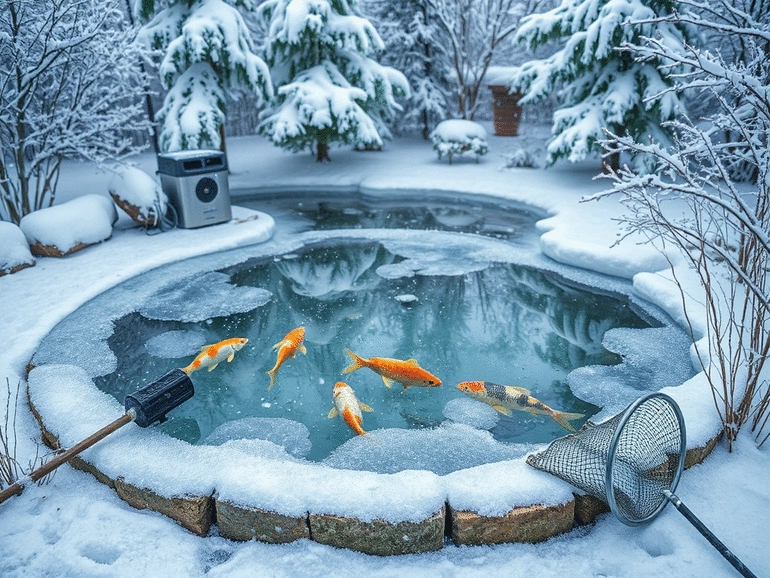
This visual outlines the critical steps and considerations for maintaining a healthy pond ecosystem during winterization and spring reopening phases, highlighting key differences and focus areas for optimal pond health.

Winterization Focus: Protection & Preservation

Key Objectives:
  • Prevent Fish Mortality
  • Protect Equipment from Freezing
  • Maintain Water Quality
Consequences of Neglect:
  • Fish Stress/Mortality (suffocation, freezing)
  • Equipment Damage (cracked pumps)
  • Decreased Water Quality (algae blooms)
Spring Reopening Focus: Rejuvenation & Balance

Initial Steps (Rising Temps):
  • Remove Ice & Debris
  • Inspect Filtration System
  • Check & Refill Water Levels
Ensuring Healthy Environment:
  • Adjust Feeding Routines Gradually
  • Introduce Beneficial Bacteria
  • Monitor Fish Behavior

Understanding the Importance of Winterizing Your Pond

As the temperatures drop and winter sets in, it’s essential to recognize the importance of winterizing your pond. Proper preparation protects the delicate balance of your pond ecosystem and ensures that your fish and plants can thrive when spring arrives. At Clear Pond Solutions, we emphasize that winterization isn’t just about keeping your pond looking good—it’s about maintaining its health and longevity.

Winterizing your pond helps to safeguard fish from harsh conditions and prevents damage to essential equipment. It’s a process that requires attention to detail, but the benefits are well worth the effort. For more in-depth information on managing pond health, you can refer to resources like the Ohio Department of Natural Resources. Are you ready to take the necessary steps to ensure a resilient pond this winter?

Why Proper Winterization is Crucial for Fish and Equipment

Fish, particularly koi and goldfish, are vulnerable during the colder months. Proper winterization is crucial for their survival, as it helps maintain a healthy environment even when temperatures plummet. Without adequate care, your fish can suffer from low oxygen levels, leading to stress or even mortality.

  • Preventing Fish Mortality: A well-prepared pond can prevent fish from freezing or becoming trapped under ice.
  • Protecting Equipment: Winterizing equipment like pumps and filters ensures they remain functional come spring.
  • Maintaining Water Quality: Taking steps now can help you avoid costly clean-ups and equipment repairs later.

By winterizing your pond properly, you create a safe haven for aquatic life and protect your investment in pond care.

Consequences of Neglecting Winter Pond Care

Neglecting winterization can lead to several dire consequences. Failing to prepare your pond leaves it susceptible to freezing, potentially harming your fish and damaging your equipment. In the worst cases, you could lose your entire pond ecosystem! For a comprehensive winter pond inspection checklist, the Penn State Extension offers valuable guidance.

  • Fish Stress and Mortality: Fish can suffocate in stagnant water if ice forms without adequate aeration.
  • Equipment Damage: Pumps that freeze can crack and require costly replacements.
  • Decreased Water Quality: Dead organic matter can accumulate, leading to foul odors and algae blooms in the spring.
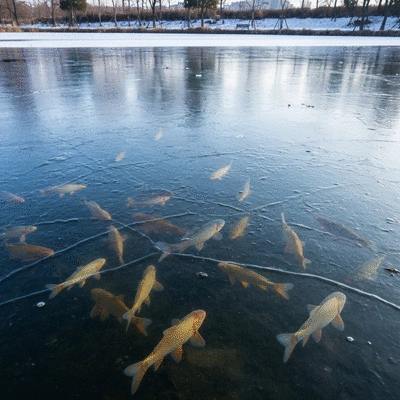
Frozen pond with fish swimming under ice, no text, no words, no typography, clean image

Taking the time to winterize your pond can save you from these frustrating outcomes. It’s an investment in your pond’s future health!

Impact of Seasonal Changes on Pond Ecosystem Health

Winter brings significant changes to your pond’s ecosystem. Water temperatures drop, and the availability of light decreases, affecting all aquatic life. Understanding these seasonal changes can help you manage your pond effectively throughout the winter months.

  • Temperature Fluctuations: Cold water holds less oxygen, which impacts fish health.
  • Reduced Plant Activity: Aquatic plants go dormant, and their nutrient uptake decreases, leading to potential imbalances.
  • Decreased Microbial Activity: Beneficial bacteria slow down, affecting the pond's natural filtration processes.

By recognizing these impacts, you can make informed decisions about how to care for your pond through the winter, ensuring a smooth transition back to health in the spring.

Pro Tip

Did you know? Regularly monitoring your pond’s water quality during winter can help you catch potential issues early. Use a simple test kit to check pH, ammonia, and nitrite levels. This proactive approach not only protects your fish but also sets the stage for a healthier pond come spring!

Preparing for Spring: Reopening Your Pond

As winter gives way to warmer days, it's time to rejuvenate your pond and prepare it for the spring season. Reopening your pond properly ensures a healthy environment for both fish and plants, and I’m here to guide you through those essential steps! Are you ready to dive in?

Person using a pond test kit to check water quality, no text, no words, no typography, clean image

First, let’s consider the steps you need to take as temperatures rise. Gradually warming water can stir up nutrients and debris, so it’s important to be proactive. By following a systematic approach, you can set the stage for a thriving pond ecosystem.

Steps to Take as Temperatures Rise

  • Remove any ice and debris from the pond surface.
  • Inspect your filtration system to ensure it’s functioning properly.
  • Check the water levels and refill if necessary.
  • Begin removing winter protection such as netting or covers.

As you gear up for the spring, it's crucial to remove any ice or debris that may have built up over winter. A clean surface allows sunlight to penetrate, which helps kick-start the photosynthesis process that aquatic plants rely on. Remember, a well-maintained pond will lead to healthier fish and vibrant plant life!

Ensuring a Healthy Environment for Fish and Plants

Maintaining a harmonious balance in your pond requires careful attention to both aquatic life and the environment. After winter, your fish might be feeling sluggish, so it's time to ensure they have everything they need to thrive.

  • Gradually adjust feeding routines as water temperatures rise.
  • Introduce beneficial bacteria to break down organic matter.
  • Monitor fish behavior for signs of stress or illness.

It's essential to gradually adjust feeding routines, as fish metabolism will increase with warmer temperatures. I love to use beneficial bacteria to help break down organic matter and maintain clear water. This not only keeps your pond looking pristine but also supports the overall health of your aquatic ecosystem. For best management practices concerning pond ecosystems, you can consult resources like the Delaware Department of Natural Resources and Environmental Control.

Assessing Water Quality and Temperature Regulation

Water quality is a fundamental aspect of pond health, particularly as the seasons change. A simple test kit can help you keep tabs on key parameters like pH, ammonia, and nitrite levels.

  • Test water for pH, ammonia, and nitrite levels regularly.
  • Use a thermometer to monitor water temperature fluctuations.
  • Implement water changes if parameters are outside recommended ranges.

Having a reliable thermometer is a game-changer when it comes to monitoring water temperature fluctuations. Aim for a pH level of 6.5 to 7.5 for optimal fish health. If any of your test results are off, don’t hesitate to implement water changes to restore balance.

As you prepare to reopen your pond, remember that these steps are vital for fostering a thriving aquatic environment. With a little effort and care, you can ensure that your pond is ready to spring back to life! Have you made a checklist yet for your spring reopening tasks?

Frequently Asked Questions (FAQs)

1. Why is winterizing a pond important?
Winterizing your pond is crucial to protect fish from harsh conditions, prevent damage to essential equipment (like pumps and filters), and maintain overall water quality. It helps ensure the health and longevity of your pond ecosystem.
2. What are the risks of not winterizing a pond?
Neglecting winterization can lead to fish stress and mortality (due to low oxygen or freezing), damage to equipment (e.g., cracked pumps), and decreased water quality, which can result in foul odors and algae blooms in spring.
3. How do seasonal changes affect a pond's ecosystem?
Winter brings colder water temperatures, reduced light, and decreased activity from aquatic plants and beneficial bacteria. These changes can lead to lower oxygen levels and imbalances in the pond's natural filtration processes.
4. What are the first steps to take when reopening a pond in spring?
As temperatures rise, you should remove ice and debris from the pond surface, inspect and ensure your filtration system is working, check and refill water levels, and remove any winter protection like netting.
5. How can I ensure a healthy environment for fish and plants during spring reopening?
Gradually adjust fish feeding routines as water temperatures increase, introduce beneficial bacteria to help break down organic matter, and closely monitor fish behavior for any signs of stress or illness.
6. What water quality parameters should I monitor in my pond?
Regularly test your pond water for pH, ammonia, and nitrite levels. Use a thermometer to monitor temperature fluctuations, and perform water changes if parameters fall outside the recommended ranges for optimal fish health.

Recap of Key Points

Here is a quick recap of the important points discussed in the article:

  • Winterizing your pond is essential for protecting fish and equipment from harsh winter conditions.
  • Neglecting winter care can lead to fish mortality, equipment damage, and decreased water quality.
  • Understanding seasonal changes helps in managing pond health effectively throughout winter.
  • As temperatures rise in spring, it's crucial to remove ice and debris, inspect filtration systems, and adjust fish feeding routines.
  • Regular water quality testing is vital for maintaining a healthy pond ecosystem.
Subscribe & Share

About Clear Pond Solutions

At Clear Pond Solutions, we empower you with expert guidance and eco-friendly solutions to create and maintain pristine, healthy pond ecosystems. Your thriving pond is our priority.