Home >

Algae Control System Troubleshooting Tips

Algae Control System Troubleshooting Tips

Troubleshooting Common Problems with Algae Control Systems
Evelyn Thatcher | 2026-02-09

Are you aware that unchecked algae growth can spoil the beauty and health of your pond? Understanding how to combat this issue is essential for every pond owner. Let's unpack the key strategies for effective algae control!

What You Will Learn

  • The importance of algae control systems for maintaining clean and vibrant aquatic environments.
  • How different types of algae, such as green and blue-green algae, affect water quality.
  • Key nutrient management strategies to prevent excessive algae growth, focusing on nitrogen and phosphorus levels.
  • Effective troubleshooting techniques for removing algae, including manual and chemical methods.
  • The significance of regular water testing and maintenance practices to sustain a healthy pond ecosystem.

Algae Control System Troubleshooting Flow

This visual outlines a step-by-step process for identifying common algae problems and implementing effective solutions.

1. Understand Algae Control Systems

  • Ultrasonic Devices: Disrupt growth.
  • Chemical Treatments: Eliminate algae.
  • Biological Controls: Natural predators.

2. Identify Algae Types

  • Green Algae: Haze, high nutrients.
  • Blue-Green Algae: Harmful toxins.
  • Filamentous Algae: Stringy mats.

3. Manage Nutrients

  • Nitrogen: Monitor rapid growth.
  • Phosphorus: Check for blooms.
  • Regular Testing: Prevent spikes.

4. Implement Strategies

  • Monitor Water Chemistry: pH, N, P.
  • Manual Removal: Brush, vacuum.
  • Chemical Treatments: Use as directed.

Troubleshooting Common Problems with Algae Control Systems: A Comprehensive Guide

As a pond care expert, I know firsthand how vital algae control systems are for maintaining the health of pools, ponds, and other water systems. These systems help manage algae growth, ensuring that your aquatic environment remains clean and vibrant. Understanding how these systems work and their importance is the first step toward effective pond management.

Algae control systems can vary, but they all aim to keep algae at bay while promoting a balanced ecosystem. From ultrasonic devices to chemical treatments, each tool serves a specific purpose in the battle against unwanted algae. Have you ever wondered how these systems can impact the overall quality of your pond or pool?

Understanding Algae Control Systems and Their Importance

Algae control systems play a crucial role in the maintenance of aquatic environments. By actively regulating nutrient levels and employing various methods to combat algae, these systems help safeguard the water quality and clarity. When properly used, they can lead to healthier fish, plants, and overall ecosystem stability. You can find more detailed information on effective control methods in this synopsis of HAB (Harmful Algal Bloom) control methods.
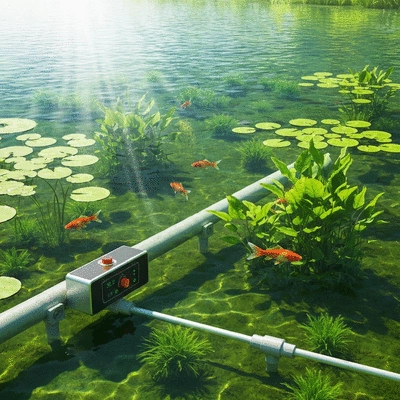
  • Ultrasonic Devices: Emit sound waves that target algae cells, disrupting their growth.
  • Chemical Treatments: Include algaecides and herbicides that selectively eliminate unwanted algae.
  • Biological Controls: Utilize natural predators like fish to maintain algae populations.
Modern algae control system installed in a clear, healthy pond

Utilizing the right algae control system not only enhances visual appeal but also contributes to a thriving aquatic ecosystem. So, what systems have you explored in your own pond? Let's dive into the common algae problems you might face!

Identifying Common Algae Problems

Algae can manifest in various forms, and knowing how to identify them is essential for effective control. Common types of algae include green algae, blue-green algae, and filamentous algae. Each type can influence water quality differently, leading to potential issues such as low oxygen levels and harmful toxins. For insights into identifying and managing these, the EPA's Lagoon Troubleshooting Manual offers valuable guidance.

  • Green Algae: Often appears as a green haze on the water surface, signaling high nutrient levels.
  • Blue-Green Algae: Can produce toxins harmful to fish and humans; requires immediate attention. Learn more about managing these harmful forms from the AWWA's resources on cyanobacteria and cyanotoxins.
  • Filamentous Algae: Appears as stringy mats; these can clog filters and disrupt water flow.

Are you familiar with the signs of algae growth in your pond? Identifying the type of algae is crucial for selecting the most effective management strategy. By understanding these issues, we can better strategize your algae control efforts!

Exploring the Role of Nutrient Management in Algae Control

One of the most significant factors in algae growth is nutrient management, particularly the levels of nitrogen and phosphorus in your water. When these nutrients are present in excess, they create the perfect environment for algae to flourish. Maintaining balanced levels is essential for effective algae control.
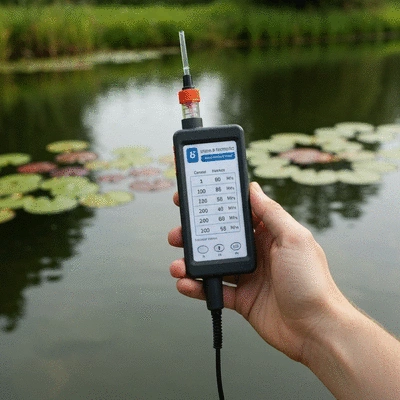
  • Nitrogen: Leads to rapid algae growth; monitor levels carefully.
  • Phosphorus: A key contributor to blue-green algae blooms; keep it in check.
  • Regular Testing: Test your water regularly to stay ahead of potential nutrient spikes.
Hand holding a pond water testing kit with clear results

By managing these nutrients effectively, you can significantly reduce the likelihood of algae problems. Have you considered how your pond's nutrient levels might be affecting its health? Let's move on to the steps you can take for effective algae removal!

Step-by-Step Troubleshooting for Effective Algae Removal

Interactive Poll: Share Your Thoughts!

What method have you found most effective for controlling algae in your pond? Select your answer below:

Frequently Asked Questions About Algae Control

Q: Why is algae control important for my pond?
A: Algae control is crucial for maintaining the beauty and health of your pond. Unchecked algae growth can lead to poor water quality, low oxygen levels, and even produce toxins harmful to aquatic life and humans, ensuring a vibrant and balanced ecosystem.
Q: What are the main types of algae I might encounter in my pond?
A: The main types include green algae (often a green haze indicating high nutrients), blue-green algae (can produce harmful toxins), and filamentous algae (stringy mats that can clog filters).
Q: How do nutrient levels affect algae growth?
A: High levels of nutrients, particularly nitrogen and phosphorus, create an ideal environment for algae to flourish, leading to excessive growth and blooms. Managing these nutrients is key to preventing algae problems.
Q: What are some common methods for controlling algae?
A: Common methods include ultrasonic devices (disrupt algae growth), chemical treatments (algaecides and herbicides), biological controls (natural predators), manual removal (brushing, vacuuming), and regular water testing to monitor nutrient levels.
Q: How often should I test my pond's water?
A: Regular water testing is essential to monitor pH levels, nitrogen, and phosphorus. Frequent testing helps you stay ahead of potential nutrient spikes and allows for timely intervention to prevent algae outbreaks.

Summarizing Effective Strategies for Algae Control

In our journey through troubleshooting common algae problems, we’ve uncovered key strategies that can truly enhance your pond's health. By focusing on water chemistry, manual removal techniques, and effective use of chemical treatments, you can significantly improve your algae control efforts. Remember, every pond is unique, and understanding your specific conditions is vital for success!

Here’s a quick recap of the essential steps to keep your algae issues at bay:

  • Regularly monitor water chemistry: Keep an eye on pH levels, nitrogen, and phosphorus to maintain a balanced environment.
  • Utilize manual removal techniques: Regularly brush, vacuum, and clean your filters to physically remove algae.
  • Apply chemical treatments carefully: Use algaecides and herbicides only as directed to manage persistent algae blooms.
  • Practice preventive maintenance: Establish a routine for cleaning and inspecting your pond equipment.

By implementing these practices, you're not just reacting to algae issues, but proactively creating a thriving aquatic ecosystem. Have you noticed improvements since incorporating these strategies? I'd love to hear about your experiences!

Call to Action: Take Charge of Your Algae Control Systems

Now that you’re equipped with the knowledge and tools needed for effective algae control, it’s time to put them into action! Start applying the troubleshooting techniques we discussed, and make regular checks a part of your pond maintenance routine. Remember, with dedication and the right strategies, you can create a healthy, balanced environment for your aquatic life!

If you have any questions or need further guidance, don’t hesitate to reach out. Let’s work together to ensure your pond remains a beautiful and healthy sanctuary!

Recap of Key Points

Here is a quick recap of the important points discussed in the article:
  • Understanding Algae Control Systems: These systems help maintain water quality by regulating nutrient levels and employing tools like ultrasonic devices and chemical treatments.
  • Identifying Common Algae Problems: Recognize different types of algae, such as green, blue-green, and filamentous algae, to effectively manage their growth.
  • Nutrient Management: Monitor nitrogen and phosphorus levels to prevent excessive algae growth and maintain a balanced ecosystem.
  • Step-by-Step Troubleshooting: Regularly check water chemistry, utilize manual removal techniques, apply chemical treatments as needed, and practice preventive maintenance to combat algae issues.
Subscribe & Share

About Clear Pond Solutions

At Clear Pond Solutions, we empower you with expert guidance and eco-friendly solutions to create and maintain pristine, healthy pond ecosystems. Your thriving pond is our priority.