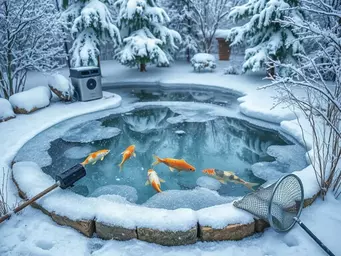
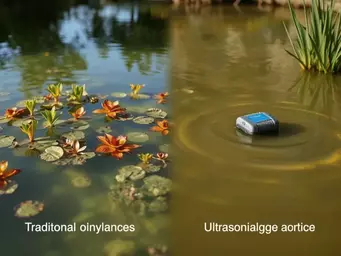
Algae Impact & Prevention
- ✓ Reduces water clarity & oxygen depletion
- ✓ Mitigates eutrophication (nutrient overload)
- ✓ Combats Blue-Green, Filamentous, & Green Water Algae

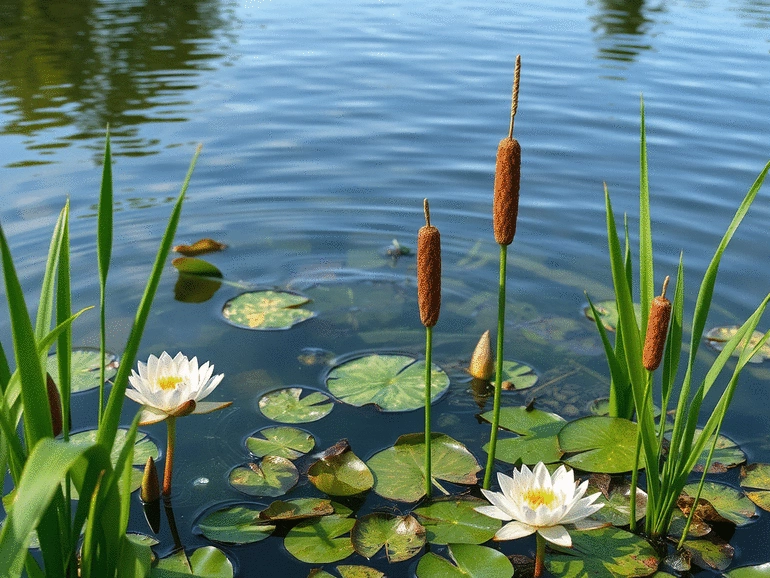
Are you aware that aquatic plants play a crucial role in maintaining pond health? Not only do they enhance visual appeal, but they also combat nuisance algae, ensuring a balanced ecosystem. Read on to discover essential strategies for effective pond management!
Aquatic plants offer comprehensive benefits for pond health, ranging from proactive algae control to significant economic and ecological advantages. This visual guide highlights their diverse roles and long-term impact.
Understanding the significance of aquatic plants in maintaining a healthy pond ecosystem is crucial for any pond owner. Excessive algae growth can dramatically affect your pond's health, water quality, and recreational activities. It's important to grasp the relationship between these plants and algae control to create a balanced environment.
When tackling nuisance algae, we have to consider the impact on water clarity and swimming conditions. Algal blooms can reduce oxygen levels, harm fish populations, and even lead to unpleasant odors. By managing these algae effectively, you can ensure your pond remains a beautiful and functional space for relaxation and enjoyment!
So, what exactly happens when algae take over your pond? First, you might notice a greenish hue in the water, which can be unappealing for swimming or fishing. Additionally, high nutrient levels often lead to rapid algae growth, resulting in unbalanced ecosystems. Here are some key impacts of nuisance algae:
It's essential to take proactive measures against algae proliferation to maintain a thriving aquatic environment. Implementing the right strategies can lead to a cleaner pond, improved water quality, and more enjoyable recreational activities.
There are several types of nuisance algae that pond owners should be aware of, with blue-green algae being one of the most common. This type can produce harmful toxins that pose risks to both aquatic life and human health. Understanding these algal types is the first step toward effective management.
Recognizing these types can help you take appropriate action. By incorporating aquatic plants, you can combat these algae types effectively!
Eutrophication is a key factor in the overgrowth of algae in ponds. It occurs when nutrient overloads, particularly phosphorus and nitrogen, enter the water, often from runoff. This can lead to rapid algal blooms, which disrupt aquatic ecosystems. Let’s look at how it affects your pond:
By understanding eutrophication, you can implement practices to minimize nutrient runoff and promote a healthier pond ecosystem!
Let's shift our focus to preventive strategies that employ aquatic plants for effective algae control. These plants play a vital role in maintaining water quality and reducing nutrient levels, which are essential for a thriving pond.
By strategically selecting the right plants, we can limit nutrient runoff and create a more balanced ecosystem. Ready to learn more? Let’s dive in!
Choosing the right plants can significantly affect your pond's nutrient levels. Certain aquatic plants absorb excess nutrients, thereby limiting nutrient runoff into the water. Here are some effective strategies to consider:
By implementing these plant selections, you can actively manage phosphorus levels in your pond and reduce algae growth! Remember, a well-planned plant strategy is essential for long-term success, as outlined by Penn State Extension's strategies for preventing algae and aquatic plant problems.
Did you know that certain aquatic plants can help reduce sunlight penetration, thus limiting algae growth? Plants like water lilies and other shade providers can create a cooler environment in your pond. Here’s why shade is essential:
Consider adding shade plants to your pond for multi-faceted benefits. You’ll create a healthy environment while enjoying the beauty they bring!
Aquatic plants aren’t just pretty; they’re functional too! Submerged plants like Elodea and floating plants such as duckweed play significant roles in biofiltration and nutrient absorption.
Integrating these plants into your pond management plan will support a balanced ecosystem and keep nuisance algae at bay!
Did you know? Incorporating a diverse selection of aquatic plants not only aids in algae control but also enhances the beauty and overall health of your pond. Native species are particularly beneficial as they thrive in local conditions and require less maintenance, making them a smart choice for sustainable pond management!
In my experience as a pond care expert, the use of aquatic plants can bring a wealth of economic and recreational advantages. These plants not only play a vital role in algae control but also significantly enhance the overall pond experience for owners and visitors alike. By investing in aquatic plants, you can create a thriving ecosystem that offers both aesthetic and functional benefits.
One of the most immediate economic benefits is the reduction of costs associated with chemical treatments for algae control. By fostering a balanced environment with aquatic plants, you may find fewer instances of algae blooms, leading to lower maintenance expenses. Moreover, healthy ponds increase property value, making them more appealing to potential buyers or renters!
Additionally, engaging with nature through recreational activities supported by aquatic plants fosters a deeper connection to the environment. It’s a win-win situation! By maintaining a balanced pond ecosystem, you’ll not only enjoy these advantages but also contribute positively to local biodiversity.
Monitoring your pond's health is key to ensuring the longevity and effectiveness of your aquatic plants. There are several tools and techniques you can utilize to keep track of both water quality and plant performance. Regular assessments allow you to identify issues early and implement solutions, keeping your pond thriving.
In my years of working with ponds, I’ve found that consistent monitoring leads to healthier aquatic environments. You can catch potential problems before they escalate, ensuring your pond remains an inviting habitat for plants and wildlife.
A diverse array of aquatic plants contributes significantly to water clarity, oxygen production, and overall pond health. When you foster biodiversity in your pond, you create a more resilient ecosystem that can better withstand environmental changes and disruptions.
Incorporating a mix of emergent, submerged, and floating plants can help maintain a balanced environment. As a pond enthusiast, I’ve seen firsthand how a rich tapestry of biodiversity supports not just the aquatic life but also enhances the beauty and functionality of the pond. It’s truly a harmonious cycle!
When it comes to maintaining the health of your pond, partnering with experienced pond management services can be a game-changer. These professionals can provide valuable insights and services tailored to your pond's unique needs, ensuring optimal results.
Look for services that offer a comprehensive approach, including plant selection, water quality management, and ongoing maintenance. A well-rounded management strategy will help you achieve long-lasting success in your pond care endeavors.
Ready to take the plunge into aquatic plant management? I encourage you to assess your pond and consider implementing these beneficial plants! To help you get started, we offer a free pond assessment tool that can guide you through the process. Reach out to us at Clear Pond Solutions to learn more about enhancing your pond's ecosystem today!
Here is a quick recap of the important points discussed in the article: