Key Interconnected Pond Health Factors
- Nutrient Balance: Keep phosphorus & nitrogen in check.
- Water Quality: Regular pH testing & other indicators.
- Biological Interactions: Healthy fish & plant populations control algae.


Did you know that excessive algae growth can lead to significant ecological issues in ponds? Understanding the intricacies of pond ecosystems is key to preventing these problems. Here’s a concise rundown of the essential insights from our exploration of algae management.
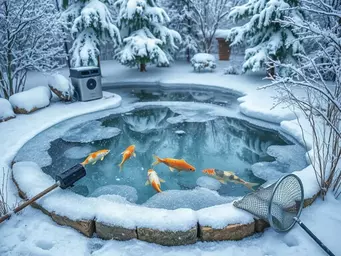
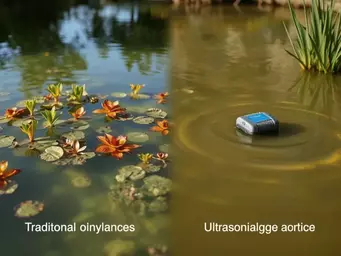
This visual highlights the key interconnected factors influencing pond health and effective restoration techniques.
Algae can be a common sight in ponds, but excessive algal growth often signals trouble. Understanding algal growth is essential for maintaining the health of your pond. Algae thrive on nutrients in the water, and when these nutrients become too abundant, they can lead to problems that affect not just the pond's appearance but also its overall ecosystem.
As a pond care expert, I've seen firsthand how excessive algae can disrupt a pond's balance. It's not just about aesthetics; algal blooms can lead to oxygen depletion and harm aquatic life. Let’s dive deeper into what algal growth really means and why it matters!
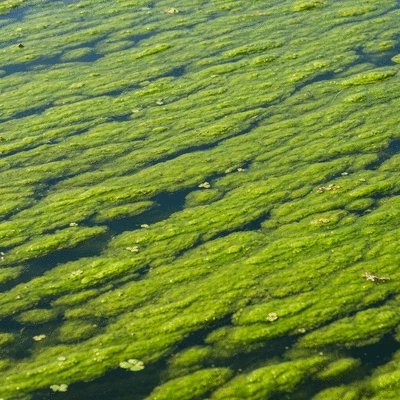
Algal growth refers to the increase in algae populations in water bodies due to favorable conditions. While some algae are beneficial and part of a healthy ecosystem, excessive growth can become problematic. High concentrations of algae can block sunlight, limiting photosynthesis for other aquatic plants.
As someone who has dedicated years to pond management through Clear Pond Solutions, I stress the importance of monitoring algal levels to prevent these issues. Keeping a close eye on your pond's ecosystem can help you take action before algal growth spirals out of control.
Pond ecosystems are intricate webs of life, where each organism plays a vital role in maintaining balance. In my experience, a well-balanced pond supports a variety of species, ensuring a thriving aquatic environment. When this balance is disrupted, it can lead to significant ecological issues.
Therefore, maintaining that balance is crucial for long-term success. Simple practices like regular monitoring and management can make a world of difference for your pond’s health!
Eutrophication is a process where water bodies become overly enriched with nutrients, leading to dense plant growth and decay. This phenomenon typically results from runoff containing fertilizers, sewage, or other pollutants. The impact on water quality can be severe, causing decreased oxygen levels and creating an environment where beneficial organisms struggle to survive. The Environmental Protection Agency provides further insights into how environmental factors exacerbate this issue.
Understanding eutrophication is essential for pond owners like you. By taking proactive steps toward nutrient management, you can help prevent this process and keep your pond healthy and vibrant.
What strategies have you found most effective in managing algal growth in your pond? We'd love to hear from you! Choose an option below:
Managing algal growth in your pond is crucial for maintaining a healthy aquatic ecosystem. Understanding the factors that contribute to excessive algae can empower you to take proactive steps in ensuring the longevity of your pond. By focusing on nutrient management, environmental influences, and effective prevention strategies, you can keep your pond thriving!
As someone who has been deeply involved in pond care for over a decade, I can assure you that recognizing the interconnectedness of various pond health factors is essential. When one component suffers, it often leads to a chain reaction affecting fish, plants, and water quality. Are you ready to dive into the details?
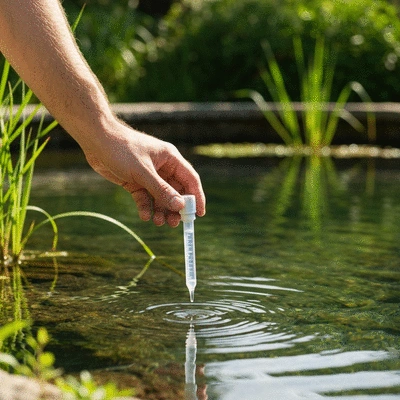
In a pond environment, every element plays a part in the overall balance. Here are some critical components to consider:
By monitoring these factors closely, you can ensure a balanced ecosystem that minimizes the risk of excessive algae blooms. Don’t forget, a healthy pond is not just about aesthetics; it’s about ecological wellness!
To ensure your pond thrives for years to come, restoration and protection are key. Implementing eco-friendly practices can greatly benefit pond health:
By taking these steps, you not only improve the current state of your pond but also create a legacy of health for future generations. Imagine the joy of passing down your love for ponds!
There are numerous techniques for restoring ponds that can enhance biodiversity. Here’s a look at some effective methods:
These restoration techniques not only combat excessive algae but also promote a vibrant ecosystem. I’ve seen firsthand how these practices can transform a stagnant pond into a bustling habitat!
Here is a quick recap of the important points discussed in the article: