Home >

Understanding Pond Water Testing Kits

Understanding Pond Water Testing Kits

Pond Water Testing Kits: How to Use Them and What Results Mean
Evelyn Thatcher | 2026-02-15

Have you ever wondered how crucial water quality is for your pond's health? It’s not just about aesthetics; it's about the very life that depends on it. Regular water testing can be the difference between a thriving ecosystem and a troubled one. Dive into this guide to discover essential insights on maintaining a vibrant pond environment!

What You Will Learn

  • Regular water testing is vital to prevent fish loss and promote the health of aquatic plants.
  • Key parameters to monitor include pH level, ammonia, and nitrite, which directly affect your pond's ecosystem.
  • Different types of testing kits, such as test strips, liquid kits, and electronic testers, each have their unique advantages.
  • Collecting water samples correctly is critical for accurate testing; multiple locations and clean containers are essential.

Pond Water Quality Parameters & Testing Methods

Understanding these critical parameters and how to test for them ensures a thriving aquatic environment.

pH Level

Indicates acidity/alkalinity. Ideal range: 6.5-7.5. Critical for fish health.

Range: 6.5 - 7.5

Ammonia

Toxic to fish at high levels. Indicates overfeeding or waste accumulation.

Impact: Fish Toxicity

Nitrite

Also harmful to fish. Should be kept low for safety.

Impact: Fish Harm

Nitrate

Less toxic than ammonia/nitrite, but high levels cause algae blooms.

Impact: Algae Growth

Test Strips

Quick & easy. Ideal for regular, fast monitoring. Compare colors to chart.

Benefit: Speed

Liquid Test Kits

More precise. Requires mixing reagents. Provides detailed analysis.

Benefit: Precision

Electronic Testers

Rapid & accurate readings. Best for serious enthusiasts and frequent use.

Benefit: Accuracy

Field vs. Lab Testing

Field for routine checks, Lab for comprehensive issue diagnosis.

Benefit: Context

Understanding the Importance of Pond Water Testing

As a dedicated pond care expert, I can tell you that one of the most crucial steps in maintaining a healthy pond is regular water testing. Many pond owners overlook this task, but monitoring your water quality can prevent a host of problems down the line! With so many factors affecting pond health, understanding the importance of water testing is key to creating a vibrant aquatic ecosystem.

Water testing not only ensures the safety of fish and plants but also helps you make informed decisions about your pond management strategies. Have you considered how your pond's water quality impacts the overall environment? Let’s dive into why you should pay attention!

Why Monitoring Your Pond's Water Quality Matters

Monitoring your pond's water quality is essential for several reasons. Not only does it help maintain a balanced ecosystem, but it also enables early detection of potential issues that could harm aquatic life. Here are a few critical reasons why you should regularly test your pond water:

  • Prevention of Fish Loss: High levels of ammonia or nitrite can lead to fish stress and even death.
  • Promotion of Healthy Plants: Plants require balanced nutrients to thrive, which can be affected by water quality.
  • Algae Control: Poor water quality can lead to algal blooms, which can suffocate your pond’s ecosystem.

By being proactive about testing, you can maintain a healthy habitat for both your fish and plants, ensuring a thriving pond environment year-round. Have you ever lost fish due to poor water conditions? This step is your safeguard!

Key Parameters to Test: What They Reveal About Your Pond

When it comes to pond water testing, there are several key parameters you should focus on. Each of these metrics provides valuable insight into the overall health of your pond. For comprehensive guidance on various water quality parameters, explore resources like Penn State Extension's information on pond and lake water testing. Here are the main parameters to monitor:

  • pH Level: Indicates the acidity or alkalinity of the water.
  • Ammonia: High levels can be toxic to fish; monitoring is essential to ensure their safety.
  • Nitrite: Also harmful to fish, nitrite levels should be kept low to ensure safety.

Understanding these parameters allows you to make timely adjustments. Are you familiar with the acceptable ranges for these tests? Knowing what to look for can help you spot any imbalances before they become critical!

The Impact of pH Level, Ammonia, and Nitrite on Aquatic Life

The three parameters mentioned above—pH level, ammonia, and nitrite—play a significant role in the health and well-being of your pond's inhabitants. For instance, a pH that is too low or too high can stress fish and aquatic plants, disrupting their growth and reproduction. Generally, a pH range of 6.5 to 7.5 is ideal for most pond ecosystems.

Ammonia and nitrite, on the other hand, are toxic at certain levels and can cause serious harm to fish. Regular testing lets you keep these levels in check, ensuring a safe environment for your aquatic friends. Have you seen any signs of stress in your fish? This could very well be a sign of poor water quality!

Close up of a hand holding a pond water test strip, showing color changes against a vibrant, healthy pond background

We Want to Hear From You!

What aspect of pond water testing do you find most challenging? Share your thoughts below:

Frequently Asked Questions About Pond Water Testing

Regular water testing is crucial for maintaining a healthy pond ecosystem, preventing fish loss, promoting healthy plant growth, and controlling algae. It allows for early detection of imbalances that could harm aquatic life.

The main parameters to monitor are pH level (acidity/alkalinity), ammonia (toxic to fish at high levels), and nitrite (also harmful to fish). Nitrate levels are also important to monitor as high levels can cause algae blooms.

There are three main types:
  • Test Strips: Quick and easy for regular, fast monitoring.
  • Liquid Test Kits: More precise, requiring mixing reagents for detailed analysis.
  • Electronic Testers: Offer rapid and accurate readings, ideal for serious enthusiasts.

Always use a clean container to avoid contamination. Collect samples from multiple locations in your pond for an accurate representation. Avoid collecting samples immediately after heavy rain or storms, as this can skew results.

Field Testing: Is great for quick results and regular monitoring, perfect for day-to-day management. Lab Analysis: Is ideal for comprehensive assessments, especially if you notice significant issues in your pond or require more detailed data, such as for specific cyanotoxin detection as outlined by the EPA. For detailed lab services, you might consult resources like the University of Georgia Extension's water testing services.

Choosing the Right Pond Water Testing Kit for Your Needs

When it comes to maintaining a healthy pond ecosystem, selecting the right pond water testing kit is crucial. With various options available, it can feel overwhelming at first. However, understanding the differences between types of kits can make the decision easier and ensure that you’re effectively monitoring your pond water quality.

There are several factors to consider, including your specific needs and the features different kits offer. By choosing wisely, you can empower yourself to maintain a clear and balanced pond environment. Here’s a breakdown of the different types of testing kits available:

Comparing Test Strips, Liquid Test Kits, and Electronic Testers

  • Test Strips: Quick and easy to use, these strips provide immediate results, making them perfect for regular monitoring.
  • Liquid Test Kits: Often more precise, these kits require mixing reagents with water samples to determine water quality parameters.
  • Electronic Testers: Although usually pricier, they offer rapid and accurate readings, ideal for serious pond enthusiasts.

Each type of kit has its advantages, and your choice might depend on factors like budget, testing frequency, and how in-depth you want your analysis to be. Personally, I recommend evaluating how often you plan to test your water. If you're just starting, a basic test strip kit can be a fantastic introduction!

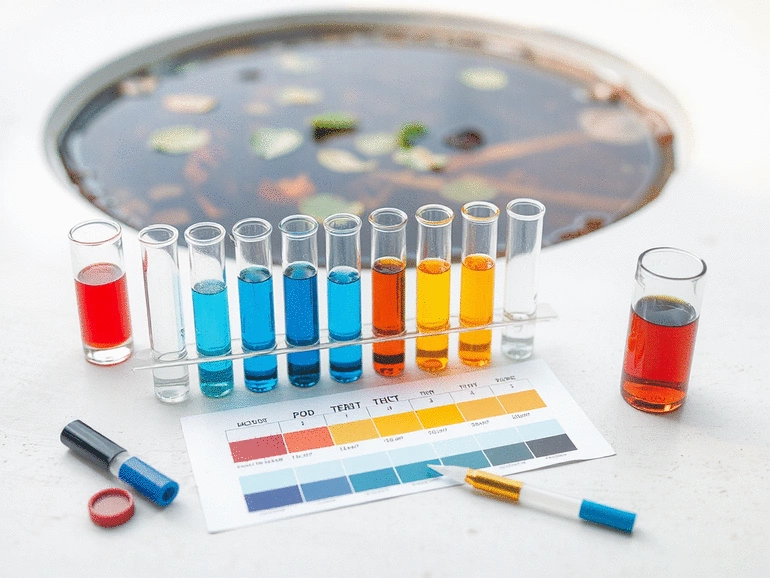
Various pond water testing kits laid out on a clean surface, including test strips, liquid reagents, and an electronic tester

Top Recommendations: API Pond Master, Tetra, and Sera Kits

As you begin your search for the perfect testing kit, I’ve compiled a list of top recommendations that I trust:

  • API Pond Master Test Kit: This comprehensive kit measures pH, ammonia, nitrite, and nitrate levels, making it a great all-in-one solution.
  • Tetra Pond Water Test Kit: Known for its easy-to-read results, this kit is perfect for novice pond owners.
  • Sera Pond Test Box: This kit offers multiple tests in one package and is highly regarded for its reliability.

These kits not only provide accurate results but also come with user-friendly guides to help you understand what each parameter means for your pond’s health. Have you tried any of these kits yet? They’ve been game-changers for many pond owners!

Understanding Kit Components: What Each Test Measures

Knowing what each component measures is essential for effective pond maintenance. Here’s a quick overview of common tests and what they reveal:

  • pH: Indicates the acidity or alkalinity of your water, critical for fish health.
  • Ammonia: High levels can be toxic to fish; monitoring is essential to ensure their safety.
  • Nitrite: Another harmful substance; elevated levels can indicate an imbalance in your pond’s ecosystem.
  • Nitrate: While less toxic, high nitrate levels can lead to algae blooms, affecting water clarity.

Understanding these components helps you take appropriate actions to maintain a healthy habitat. Regular testing can prevent issues before they escalate, keeping your pond vibrant and thriving.

Step-by-Step Guide to Using Pond Water Testing Kits

Once you've chosen your kit, it's time to dive into the actual testing process! Here's a simple guide to ensure you get the most accurate results from your pond water tests.

Collecting Your Pond Water Sample: Best Practices and Sampling Techniques

Before testing, you'll need to collect a water sample. Here are some best practices to follow:

  • Use a clean container to avoid contamination.
  • Take samples from multiple locations in your pond to get an accurate representation.
  • Avoid collecting samples immediately after heavy rain or storms, as this can skew results.

Taking the time to collect your sample properly is critical for accurate readings. I always emphasize the importance of this step because it sets the foundation for effective monitoring.

How to Use Test Strips: A Visual Walkthrough with Color Charts

Using test strips is one of the easiest methods for testing your pond water. Follow these steps:

  1. Dip the strip into your water sample and hold it there for the recommended time.
  2. Remove the strip and shake off any excess water.
  3. Compare the colors on the strip to the color chart provided in your kit.

This visual method allows for quick interpretation of results, enabling you to make timely adjustments to your pond care routine. Have you ever used a color chart before? It's quite satisfying to see the results!

Liquid Test Kits: Mixing and Reading Instructions

Liquid test kits require a bit more effort, but they often provide more accurate results. Here’s how to use them:

  1. Fill a test vial with your water sample.
  2. Add the specified number of drops of each reagent according to the instructions.
  3. Cap the vial and shake gently, then wait for the indicated time before comparing the color change to the chart.

It may seem complex at first, but once you get the hang of it, it becomes second nature! Just take your time to follow the instructions closely, and you'll be a pro in no time.

Using Electronic Testers: Quick and Accurate Results

Electronic testers can provide rapid results with minimal hassle. To use them:

  • Turn on the device and insert the probe into the water sample.
  • Wait for the reading to stabilize, which typically takes a few seconds.
  • Record your results and refer back to your kit instructions for any necessary adjustments.

These tools are fantastic for those who want efficiency without sacrificing accuracy. I love how straightforward they are, making my pond maintenance routine smoother!

Field Testing vs. Lab Analysis: When to Choose Each Method

Sometimes, you might wonder whether to conduct testing in the field or send samples to a lab. Here’s a quick comparison:

  • Field Testing: Great for quick results and regular monitoring; perfect for day-to-day management.
  • Lab Analysis: Ideal for comprehensive assessments, particularly if you notice significant issues in your pond, or if you need to detect specific contaminants like cyanotoxins, as detailed by the EPA's detection methods. For general lab services, you might consult local resources such as the University of Georgia Extension's water testing information.

Deciding between these methods depends on your specific needs and the challenges your pond faces. I recommend field testing for routine monitoring and lab analysis if you're troubleshooting specific concerns.

Recap of Key Points

  • Regular Water Testing: Essential for maintaining a healthy pond ecosystem and preventing fish loss.
  • Key Parameters: Monitor pH level, ammonia, and nitrite to ensure water quality and safety for aquatic life.
  • Choose the Right Testing Kit: Consider your needs and budget when selecting a testing kit, whether it's strips, liquid kits, or electronic testers.
  • Best Practices for Sampling: Use clean containers, collect samples from multiple locations, and avoid sampling after heavy rain.
  • Understanding Results: Familiarize yourself with color charts and measurement standards to make timely adjustments in pond care.
Subscribe & Share

About Clear Pond Solutions

At Clear Pond Solutions, we empower you with expert guidance and eco-friendly solutions to create and maintain pristine, healthy pond ecosystems. Your thriving pond is our priority.