Did you know that maintaining a healthy pond environment can significantly enhance its ecosystem and reduce algae growth? Understanding the role of aeration systems is crucial for any pond owner or caretaker. Here’s what you will discover about these essential tools!
Pond aeration is a vital process that influences key aspects of pond health, including algae reduction, water circulation, and nutrient management. The visual below details these interconnected elements.
Aeration introduces dissolved oxygen (DO), which promotes beneficial bacteria that consume nutrients, thereby starving algae. A minimum DO of 5 mg/L is crucial.
Nutrient Consumption
Circulation prevents stagnation, a key cause of low oxygen levels and harmful algae growth. It also ensures even nutrient distribution.
Prevents Stagnation
Aeration mitigates eutrophication (excess nutrients like nitrogen and phosphorus) by supporting bacteria that break down these elements.
Breaks Down Excess Nutrients
By managing algae and breaking down organic matter, aeration significantly improves overall water clarity within weeks of installation.
Noticeable Results Quickly
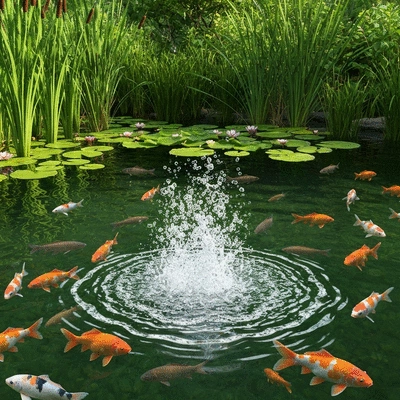
Pond aeration systems are essential tools designed to enhance your pond's health and combat the pesky algae that can disrupt its balance. These systems introduce dissolved oxygen into the water, which promotes a thriving ecosystem for fish and plants. At Clear Pond Solutions, I've seen firsthand the transformative effects that a well-aerated pond can have on water quality and overall biodiversity.
Whether you're a homeowner, landscaper, or environmental manager, understanding how aeration works is crucial. Let's dive deeper into these systems and explore their role in algae control!
Pond aeration systems come in various forms, each designed to increase the oxygen levels in your pond's water. These systems can be mechanical, diffused, or surface-based, and they offer unique benefits depending on your specific needs. By introducing air into the water, they help promote healthy bacteria that can break down organic matter and keep your pond clean.
Choosing the right aeration system involves considering factors like pond size, depth, and specific algae challenges. Understanding these systems can empower you to create a healthier pond environment!
One of the primary benefits of pond aeration is its ability to reduce algae growth. But how does it do this? The introduction of dissolved oxygen (DO) plays a vital role in maintaining water quality. When oxygen levels are sufficient, beneficial bacteria thrive, breaking down nutrients that would otherwise fuel algae blooms.
Dissolved oxygen is crucial for aquatic life and the overall health of your pond. High levels of DO ensure that fish and other organisms can thrive, while also helping to prevent the growth of unwanted algae. For instance, the University of Florida's IFAS Extension highlights the significance of dissolved oxygen for pond health. Regularly monitoring DO levels can give you insights into your pond's health. Aim for a DO concentration of at least 5 mg/L for optimal aquatic life support!
Another key aspect of pond aeration is circulation. By keeping the water moving, aeration prevents stagnation, which can lead to low oxygen levels and the growth of harmful algae. A well-circulated pond not only supports fish health but also enhances nutrient distribution throughout the ecosystem.
Eutrophication is a natural process that occurs over time, leading to an increase in nutrient levels, especially nitrogen and phosphorus. While these elements are essential for plant growth, excessive amounts can lead to rapid algae blooms. Aeration helps counteract this by promoting the growth of beneficial bacteria that consume these nutrients, thus maintaining a balanced ecosystem. For more detailed information on preventing pond problems, resources like the Texas A&M AgriLife Extension offer valuable insights into managing pond health and addressing issues like eutrophication.
By understanding how aeration systems function and their role in controlling algae growth, you can take proactive steps to ensure your pond remains a sparkling oasis! Ready to explore the best aeration techniques for your pond? Let's continue our journey together!
To maximize the effectiveness of your pond aeration system, consider pairing it with regular water quality testing. This will help you monitor key parameters like pH and dissolved oxygen levels, ensuring that you maintain an optimal environment for both aquatic life and plant growth. Remember, a proactive approach leads to a healthier pond!
When it comes to pond care, seeing is believing! Aeration systems have proven incredibly effective in real-world scenarios for managing algae and maintaining healthy aquatic environments. In this section, I’ll share some inspiring case studies that highlight how these systems have made a significant difference in various settings.
I've had the pleasure of working with several clients who faced daunting algae problems. One particular success story involves a residential pond that was plagued with green algae blooms every summer. After installing a diffused-air aeration system, we saw remarkable improvements!
Another case involved a local community pond that served both recreational and ecological purposes. By integrating a surface aerator with their existing filtration system, the community noticed a drastic reduction in algal growth while also improving the overall health of the pond.
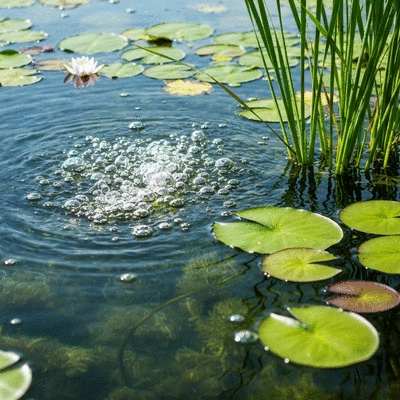
While aeration systems are powerful on their own, they work even better in tandem with other algae control methods. Combining these strategies can create a multi-faceted approach to pond management!
These combined efforts have led to healthier ecosystems and more enjoyable pond environments for everyone involved. Have you thought about integrating multiple methods for your pond care?
Finally, let’s talk about the magic of beneficial bacteria! These microorganisms play a crucial role in breaking down waste and excess nutrients that contribute to algae growth. By introducing beneficial bacteria into your pond system, you can:
It's a win-win situation for any pond owner looking to achieve a vibrant, balanced aquatic environment!
As you consider the various aeration options available, it's essential to evaluate what will work best for your specific pond needs. In my experience, understanding the potential return on investment (ROI) is crucial for both homeowners and commercial operations.
When weighing the benefits of pond aeration systems, I often guide my clients through a straightforward evaluation process:
By taking these factors into account, you can make a well-informed decision about investing in an aeration system that aligns with your goals.
Many of my clients have questions about how effectively aeration systems can reduce algae. Here are some of the most common FAQs I encounter:
Understanding these aspects can empower you to make the most of your pond aeration investment!
Ultimately, maintaining a clean and clear pond involves several factors. Key elements include:
By focusing on these factors, you can significantly enhance your pond’s overall health and appearance.
As we wrap up this section, it's clear that aeration systems play a vital role in the fight against algae and the promotion of healthy pond ecosystems. For those interested in deeper insights into effective aeration strategies, a report from the Northern Ireland Assembly provides an excellent overview of the benefits of aeration for water quality. If you're considering aeration options for your pond, I encourage you to explore the choices available and think about how they can benefit your unique space.
Remember, effective pond management is not just about addressing problems as they arise. It’s about proactively creating a balanced environment where aquatic life can thrive! Aeration systems are a crucial element in this journey. They help you:
Are you ready to take the next step for your pond?
With so many aeration solutions available today, there’s no better time to invest in your pond's health. Explore the various methods and find what resonates with your vision for a clean, vibrant aquatic environment!
Finally, don’t overlook the importance of pond design. Thoughtful planning can enhance aeration efficiency and improve water movement, leading to a healthier ecosystem. If you need guidance, I’m here to help you design and maintain the perfect pond environment!
Here is a quick recap of the important points discussed in the article: