Did you know that algae can severely impact the health of your pond? Understanding how to control it is essential for maintaining a thriving aquatic ecosystem. Whether you’re managing a small decorative pond or a larger body of water, the insights from this article will guide you in making the best choices for algae control.
An overview of the key characteristics, pros, and cons of natural and chemical approaches for managing pond algae.
Choosing the right method depends on your pond's specific needs, size, and your preference for immediate results versus sustainable long-term health. Cost can vary, with chemicals often appearing cheaper initially but natural methods offering long-term savings.
When it comes to maintaining a healthy pond, understanding algae control is crucial. Algae can make your water look murky, deplete oxygen levels, and harm aquatic life. Whether you're a homeowner with a serene backyard pond or a landscaper managing larger bodies of water, knowing how to effectively manage algae blooms is key to preserving your pond's ecosystem. Let's dive into the importance of effective algae control methods!
Effective algae control is not just about aesthetics; it significantly impacts the overall health of your pond. By maintaining water quality, you create a thriving habitat for aquatic plants and animals. Two primary approaches exist: natural and chemical methods. Choosing the right one can make all the difference in achieving a balanced aquatic environment.
Before we explore methods, it’s essential to understand what pond algae is and the challenges it presents. Algae are simple photosynthetic organisms that can multiply rapidly under certain conditions. When nutrient levels are high, often from run-off or excess organic matter, algae blooms can occur, leading to poor water quality and oxygen depletion. The EPA provides further insights into preventing algal blooms, noting that these blooms can be a significant environmental concern.
By implementing appropriate algae control strategies, you can ensure your pond remains a beautiful and healthy ecosystem.
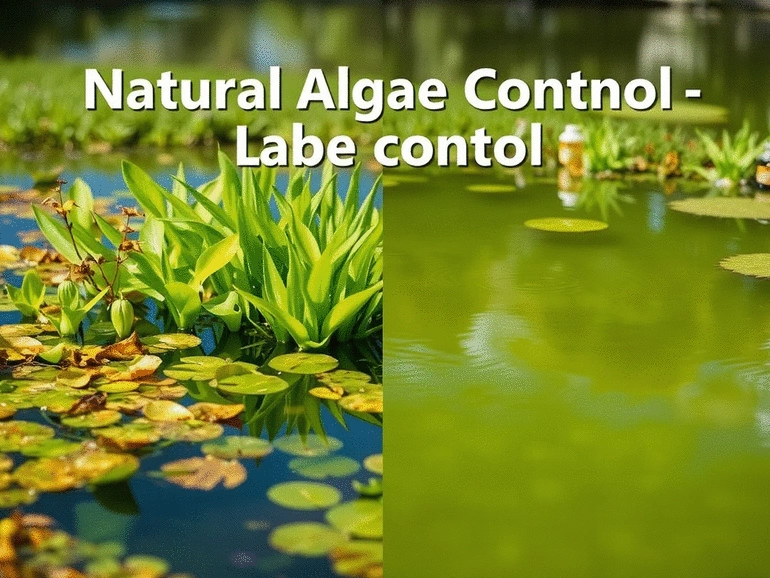
Now, let’s clarify the two main categories of algae control methods: natural and chemical. Natural methods focus on utilizing the pond's ecosystem to keep algae in check, promoting balance without synthetic additives. Examples include using beneficial bacteria or introducing aquatic plants that compete with algae for nutrients.
Both methods have their place in pond management, and understanding their differences is vital for effective algae control.

Now that we've established what algae is and how it can be managed, let’s take a closer look at chemical methods for algae control.
One of the most widely used chemical treatments is copper-based algaecides. They are popular due to their effectiveness in rapidly reducing algae blooms. However, while they can clear your pond quickly, they also come with drawbacks that are important to consider.
Understanding the implications of chemical treatments allows pond owners to make informed decisions.
While chemical treatments can provide quick fixes, they pose risks to the entire pond ecosystem. Chemical residues can linger in water, impacting fish safety and the health of other wildlife. It's important to weigh these risks against the benefits when considering chemical options for your pond. For instance, the Florida Sea Grant provides information on mitigation and control research for harmful algal blooms, highlighting the complexities and dangers involved.
Many pond owners, including myself, prefer exploring sustainable options whenever possible to avoid compromising the health of our aquatic friends.
Chemical residues can significantly affect water quality. When algaecides break down, they can release harmful substances that disrupt the delicate balance of pond ecosystems. This can lead to increased nutrient loading, further exacerbating algae problems in the long run. The EPA's research on harmful algal blooms emphasizes the need for careful monitoring and understanding of these impacts.
Being informed about these impacts helps us to manage our ponds responsibly, ensuring healthy ecosystems for years to come.
With the potential downsides of chemical algae control in mind, let’s consider natural alternatives!
One of the best natural methods to control algae is introducing beneficial bacteria. These helpful microorganisms compete with algae for nutrients, effectively reducing their growth. Coupled with aquatic plants, which absorb excess nutrients, this method promotes a balanced ecosystem.
By embracing these eco-friendly solutions, you foster a healthier pond environment that supports wildlife and plant life alike.
Natural algae control methods not only improve water quality but also enhance the sustainability of your pond. Unlike chemical treatments, which may require repeated applications, natural systems build resilience over time. This means less maintenance and a more self-sustaining ecosystem.
In my experience, ponds treated with natural methods yield vibrant ecosystems that thrive, making them an excellent choice for many pond owners!
Another effective approach is employing biological control strategies, which involve using predator species like certain fish or beneficial insects to keep algae in check. These natural predators help maintain the balance within your pond, preventing excessive algae growth.
By integrating natural methods, we can support the pond ecosystem, ensuring it remains healthy and enjoyable for years to come.
As you consider your options for algae control, remember that both natural and chemical methods have their place. The key is to understand their impacts and choose what works best for your pond's unique needs. Let’s keep our water clean and clear!
To achieve a healthier pond ecosystem, consider combining natural and chemical methods for algae control. While natural solutions promote long-term sustainability, a targeted chemical approach can provide immediate relief from algae blooms. Always ensure that any chemical treatments you use are safe for fish and other aquatic life to minimize environmental impact.
When it comes to algae control, understanding the differences between natural and chemical methods is crucial. Natural methods, such as beneficial bacteria and aquatic plants, promote a balanced ecosystem but may take longer to show results. On the other hand, chemical treatments often provide quicker results but can introduce risks to your pond's health.
By weighing these differences, you can determine which method aligns best with your pond care goals. Are you looking for immediate results, or do you prefer a more sustainable approach?
Choosing the right algae control solution depends on various factors, including your pond's size, type, and your personal preferences. If you have a small decorative pond, natural methods might be ideal, as they encourage a healthy ecosystem without harsh chemicals. However, larger ponds may require a combination of both methods for effective management.
Consider your pond's specific conditions and your comfort level with various methods. I often advise my clients to start with natural solutions and only incorporate chemicals when necessary. What are your thoughts on this approach?
Hearing from others who have faced similar pond challenges can be incredibly valuable. For instance, one of my clients, Lisa, shared her success story using beneficial bacteria in her koi pond. After struggling with green water for months, she saw a remarkable difference in just a few weeks!
What methods have you tried? Sharing your experiences can help others in our pond management community make informed decisions.
For anyone looking to deepen their pond management knowledge, I recommend checking out these resources. They include guides, professional services, and community forums that can provide support and additional insights.
These resources can help you stay informed and connected with other pond enthusiasts. Have you found any valuable resources in your pond journey?
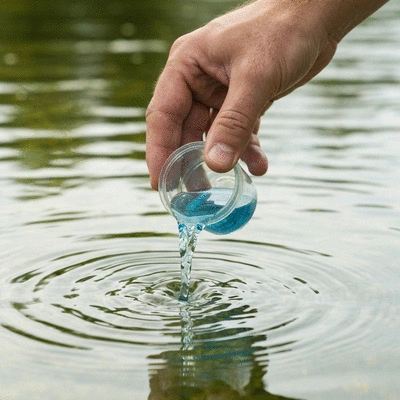
Regular pond maintenance is essential for keeping your aquatic habitat thriving. One of the most crucial steps is water testing, which helps you monitor pH levels, ammonia, and nitrite concentrations. By testing regularly, you can address issues before they escalate!
Keeping up with these practices ensures your pond remains a healthy ecosystem. What maintenance routines do you follow to keep your pond in top shape?
Here is a quick recap of the important points discussed in the article: