Nitrogen
Fertilizers, animal waste, decaying plants


Effective pond management hinges on understanding the delicate balance between nutrient levels and algae growth. Did you know that even a small shift in nutrient concentrations can lead to rapid changes in your pond's ecosystem? Let’s explore the essential insights that can help you maintain a thriving aquatic environment!
Understanding the interplay between nutrient levels and algae growth is key to maintaining a healthy pond. Here's a breakdown of the key drivers and management strategies:
Nitrogen
Fertilizers, animal waste, decaying plants
Phosphorus
Runoff, primary nutrient for blooms
1. Assess Existing Conditions
2. Set Clear Goals
3. Implement Strategies
When it comes to maintaining a healthy pond, understanding the relationship between nutrient levels and algae growth is crucial. Algae thrive in environments where nutrient concentrations, particularly nitrogen and phosphorus, are high. As someone who has spent over a decade in pond care, I’ve seen firsthand how these elements can lead to rapid algae proliferation, sometimes overwhelming even the most well-maintained ecosystems. Let’s dive into what drives algae growth and how we can manage it effectively!
Algae growth is primarily driven by nutrient availability in the water. But what exactly are these nutrients? Let’s break it down:
By managing these nutrients, we can significantly impact the health of our ponds. Understanding how they influence growth patterns is the key to a balanced aquatic ecosystem!
Nitrogen and phosphorus play vital roles in the aquatic food web. In moderation, they are essential for plant growth; however, in excess, they can lead to harmful algal blooms. Over the years, I’ve found that maintaining a careful balance of these nutrients is crucial for preventing eutrophication, which can drastically impact pond health.
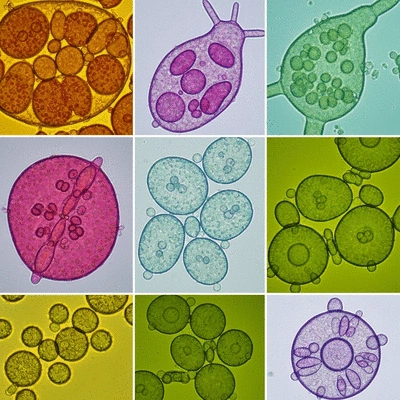
Different types of algae have varying nutrient preferences. For example:
By identifying these species in your pond, you can take targeted actions to manage their growth!
Microalgae and cyanobacteria can affect not just the aesthetics of your pond but also its overall health. They can deplete oxygen levels during blooms, making it difficult for fish and other aquatic life to thrive. It's essential to monitor their presence, as rapid increases can signal underlying nutrient problems. For further details on the impact of microalgae, you can refer to this Frontiers in Water article.
Recognizing early signs of algae growth can save you from bigger headaches later. Here are some common indicators:
Being vigilant about these signs can help you respond quickly and maintain a healthy pond environment!
Eutrophication occurs when excessive nutrients stimulate algal blooms. Common indicators include:
Understanding these factors empowers you to take action before it’s too late!
Algal blooms can drastically reduce biodiversity in ponds. They block sunlight from reaching submerged plants and can lead to the decline of fish populations, as oxygen levels drop. It’s a domino effect that can have lasting implications on your pond's ecosystem.
Besides affecting the visual quality of your pond, algal blooms can also lead to:
By recognizing and addressing these issues early, you can protect both the beauty and health of your pond!
To effectively manage algae growth in your pond, consider introducing beneficial bacteria. These microorganisms can help break down excess nutrients, reducing the likelihood of harmful algal blooms. Additionally, regularly testing your water quality can help you catch any imbalances before they escalate into bigger issues. Keeping a close eye on nitrogen and phosphorus levels is a proactive way to ensure a thriving aquatic environment!
A1: Nitrogen and phosphorus are the key nutrients. Nitrogen comes from sources like fertilizers and decaying plants, while phosphorus is often introduced through runoff and is a primary driver for algal blooms.
A2: Common indicators include green or brown discoloration of the water, unpleasant odors, and visible layers of floating algae or scum on the surface.
A3: Eutrophication is the process where excessive nutrients stimulate algal blooms. It's harmful because it can lead to thick mats of algae, decreased water clarity, and fish kills due to depleted oxygen levels, ultimately reducing aquatic biodiversity.
A4: You can prevent excessive nutrient levels by reducing fertilizer use near ponds, properly disposing of waste and chemicals, and ensuring good land management practices to minimize runoff. Regularly testing water quality also helps in proactive management.
A5: A nutrient management plan is a customized strategy to control nutrient levels in your pond. It typically involves assessing existing conditions, setting clear goals, and implementing targeted strategies. It's important for maintaining a balanced ecosystem, preventing harmful algal blooms, and ensuring the long-term health of your pond.
When it comes to maintaining a healthy pond, integrating best practices is essential! At Clear Pond Solutions, I've seen firsthand how a customized nutrient management plan can make all the difference. This involves assessing your pond's current conditions, setting clear goals, and implementing targeted actions. Let’s explore how to build a plan that suits your unique pond ecosystem.
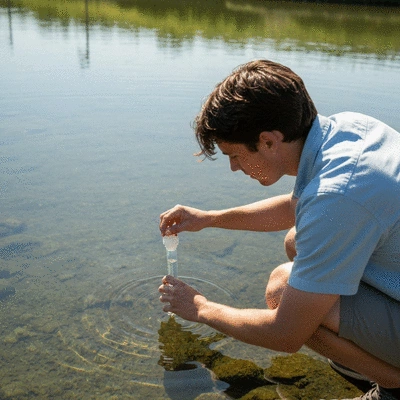
Creating an effective nutrient management plan starts with understanding your pond’s needs. Here are the steps to guide you:
By following these steps, you can develop a plan that is not only practical but also aligned with the ecological balance of your pond. Remember, collaboration is key!
Working with local experts can provide invaluable insights tailored to your pond's unique conditions. Consider reaching out to:
These professionals can help you navigate specific challenges, recommend appropriate products, and even assist with water quality testing. It's all about combining knowledge for better outcomes! For instance, the National Renewable Energy Laboratory (NREL) offers relevant research and resources that could be valuable for certain pond management applications.
A critical aspect of effective pond management is water chemistry analysis. Regular testing can help you monitor essential parameters like:
Incorporating this data into your management plan allows for proactive adjustments, ensuring your pond remains healthy and balanced. Have you had your water tested recently? It’s a vital step!
Community involvement is crucial in promoting pond health initiatives. By engaging local residents, we can foster a culture of conservation and stewardship. Here’s how we can get everyone on board:
It’s amazing what we can achieve when communities come together! Some ideas include:
These activities not only enhance pond health but also build stronger community bonds. Together, we can make a significant impact!
Education plays a vital role in preventing issues like eutrophication. It’s essential to raise awareness about how everyday actions affect our ponds. Simple steps individuals can take include:
By spreading awareness, we empower everyone to contribute positively to their local environments!
Participating in local conservation programs can greatly enhance your pond management efforts. Look for opportunities to join:
These programs not only provide resources but also connect you with a network of like-minded individuals dedicated to preserving our aquatic ecosystems. What programs can you get involved in?
Here is a quick recap of the important points discussed in the article: