Chemical Algaecides
-
•
Copper-based: Widely used, targets various algae types.
-
•
Chelated Copper: Controlled release, minimizes harm.
(Quick, but ecological impact)

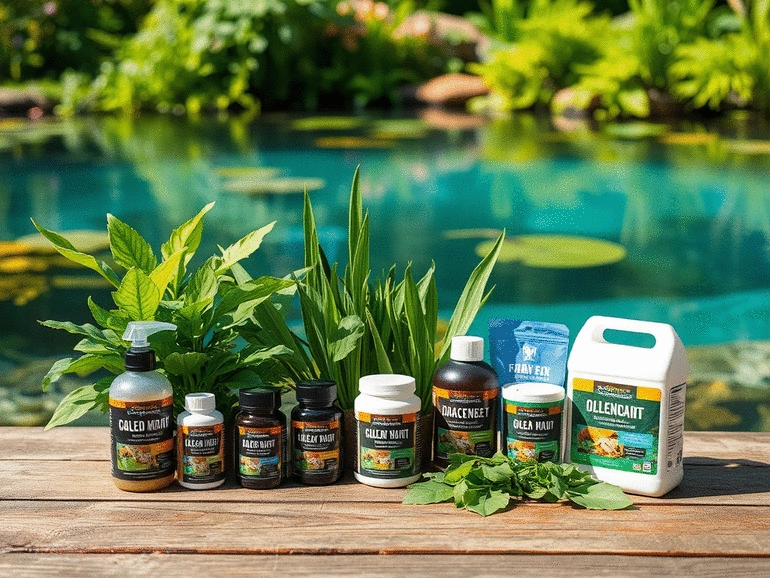
As you embark on the journey of pond care, you may be surprised to learn that understanding algae control products is vital for maintaining the beauty and health of your aquatic ecosystem. Not only do these solutions enhance clarity, but they also protect the diverse life within your pond.
This visual summarizes effective strategies for managing pond algae, categorizing them into several key approaches for a healthier pond ecosystem.
Copper-based: Widely used, targets various algae types.
Chelated Copper: Controlled release, minimizes harm.
(Quick, but ecological impact)
Microbial Solutions: Beneficial bacteria outcompete algae.
Beneficial Bacteria: Breaks down organic matter.
(Eco-friendly, promotes health)
Physical Removal: Manual cleaning, debris removal.
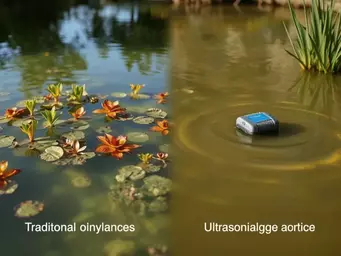
Ultrasound Technology: Sound waves disrupt algae.
(Non-chemical, innovative)
Barley Straw: Inhibits algae growth as it decomposes.
Plant Buffers: Aquatic plants balance nutrient levels.
(Eco-friendly, aesthetic benefits)
When it comes to maintaining a healthy pond, understanding algae control products is essential. Algae can significantly impact your pond's health, clarity, and overall ecosystem balance. Without proper management, excessive algae growth can lead to oxygen depletion, harming fish and other aquatic life. It can also result in unsightly water, making your pond less enjoyable. So, how do we tackle this common issue?
Choosing the right solutions isn't just about aesthetics; it's about ensuring that your pond remains a thriving habitat. That's why I’ve dedicated time to researching and sharing practical insights on various algae control methods. Are you ready to learn more about keeping your pond clean and beautiful?
Selecting the right algae control solutions is fundamental for maintaining a balanced pond ecosystem. The wrong choice can lead to further complications, such as harmful chemical buildup or ineffective treatments that only exacerbate the problem. Here are some critical impacts of algae on your pond:
By understanding these impacts, you can make informed decisions about which algae control products are best suited for your pond's unique needs. It’s all about preserving that delicate balance!
Algae can come in various forms, and knowing which type you’re dealing with is crucial for selecting the appropriate control method. Here are some common types of pond algae you might encounter:
Understanding these algae types can help you tackle them effectively. Each requires different management strategies, and I’m here to guide you through the best options!
As you seek solutions for controlling algae, it’s important to know the different types of products available. From chemical to biological treatments, each has its strengths and considerations. Let’s break down what you need to know!
Chemical algaecides are often quick solutions for controlling algae. They can be particularly effective against specific types of algae. Here are some common options:
While these products can be effective, it’s crucial to consider their ecological impact. Always follow application guidelines to ensure the safety of your pond's inhabitants! For comprehensive guidance on managing pond algae, the Washington State Department of Ecology offers valuable resources.
If you're looking for a more eco-friendly option, biological treatments might be the way to go. These solutions often include:
The ecological benefits of these treatments are significant, promoting a healthier pond environment without harsh chemicals. Have you considered these options for your pond yet?
For those who prefer non-chemical methods, physical and technology-driven solutions are promising. Here are a few to consider:
These methods can often be combined with other treatments for a comprehensive approach to algae control. It’s all about finding what works best for your unique situation!
Natural methods, like barley straw, have gained popularity among pond owners for their effectiveness in controlling algae growth. Here’s why:
These solutions not only manage algae but also enhance the aesthetic and ecological value of your pond. Interested in trying out these natural methods?
As we explore the various ways to manage algae in ponds, we want to know:
A: Algae control is crucial for maintaining water clarity, ensuring adequate oxygen levels for fish and aquatic plants, and preventing harmful algal blooms that can deplete oxygen and potentially produce toxins. It helps maintain a balanced and thriving aquatic ecosystem.
A: Common types include filamentous algae (hair-like strands), planktonic algae (causing green or cloudy water), Chara (plant-like algae), blue-green algae (cyanobacteria, which can be harmful), and benthic algae (found on the pond bottom).
A: Algae control products fall into several categories: chemical algaecides (e.g., copper-based), biological treatments (e.g., microbial solutions, beneficial bacteria), physical solutions (e.g., manual removal, ultrasound technology), and natural solutions (e.g., barley straw, plant buffers).
A: Chemical algaecides can be effective but require careful consideration of their ecological impact. Always follow application guidelines precisely to ensure the safety of fish and other pond inhabitants. Chelated copper options offer a more controlled release to minimize harm.
A: Sustainable methods include biological treatments with beneficial bacteria to outcompete algae and break down organic matter, natural solutions like barley straw that inhibit growth, and incorporating aquatic plants as natural buffers. Physical removal and ultrasound technology are also non-chemical alternatives.
Effective algae management is crucial for maintaining a vibrant and balanced pond ecosystem. From our discussions on the various types of algae to the different control methods available, it becomes clear that choosing the right solutions is pivotal. Whether you lean towards chemical treatments, biological solutions, or natural alternatives, each pond has unique needs that must be addressed for optimal health.
To recap, here are the main points we've covered regarding effective algae management:
By leveraging this knowledge, you can develop a tailored approach to keeping your pond clear of unwanted algae blooms. Remember, every pond is unique, and adapting your strategies to meet its specific needs is essential for long-term success.
Sustainable practices not only enhance the health of your pond but also contribute positively to the environment. At Clear Pond Solutions, we encourage all pond owners to explore eco-friendly options that promote a balanced ecosystem. Simple actions like reducing nutrient runoff and incorporating natural treatments can make a significant difference.
Here are some sustainable practices to consider:
We’d love to hear your experiences with sustainable pond care! Share your tips and success stories with us, and let’s inspire others to join the journey toward healthier aquatic habitats.
Keeping your pond healthy is an ongoing journey. To stay updated on the latest tips and strategies for effective algae control and pond maintenance, I invite you to subscribe to our newsletter at Clear Pond Solutions. Each month, we share expert advice, product recommendations, and practical insights to help you maintain a thriving pond.
Are you ready to take your pond care knowledge to the next level? Join our community of passionate pond owners and never miss an update on how to keep your aquatic ecosystem in top shape!
Here is a quick recap of the important points discussed in the article: