Fish Contributions
- • Control insect populations
- • Nutrient cycling (waste)
- • Algae grazing

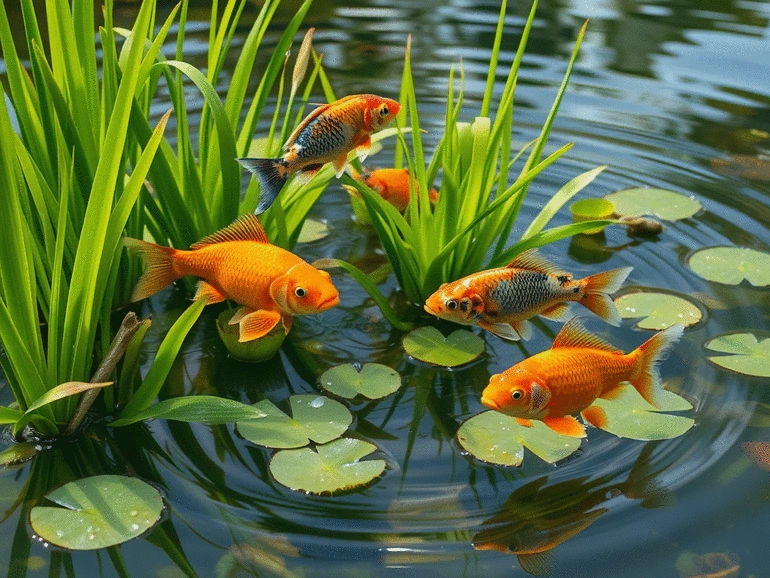
Have you ever considered how fish and plants interact to create a thriving pond ecosystem? This symbiotic relationship is essential for maintaining balance and promoting health within aquatic environments.
Fish and plants work together in a dynamic relationship to maintain pond health. Below is a comparison of their primary contributions.
In any pond ecosystem, the relationship between fish and aquatic plants is crucial for maintaining balance. Fish contribute to the health of your pond by controlling insect populations and providing nutrient cycling through their waste. Meanwhile, plants play a vital role in producing oxygen and absorbing nutrients, which helps keep the water clean and clear. This symbiotic relationship not only supports fish health but also enhances the overall pond environment, as explored in detail by Michigan State University Extension.
So, how can we cultivate this harmony? By understanding the roles of both fish and plants, we can create a thriving aquatic ecosystem. It's all about finding the right balance to ensure both thrive together!
Fish and plants are more than just beautiful additions to your pond; they are integral parts of the ecosystem. Fish help manage algae by grazing on it, while aquatic plants provide shelter and spawning habitats. Together, they engage in a fascinating give-and-take dynamic that fosters a healthy pond. Here are key roles they play:
By ensuring both fish and plants are well-represented in your pond, you can create a balanced ecosystem that minimizes problems and maximizes enjoyment!
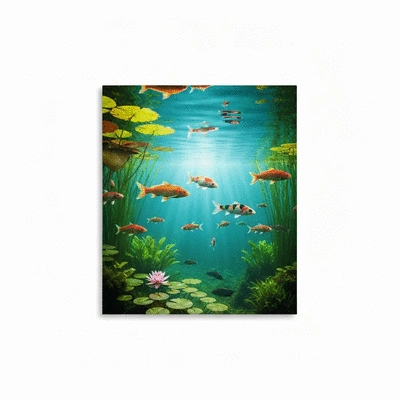
When considering the types of plants for your pond, it's important to include a variety of species that serve different functions. Here are the three main categories of aquatic plants:
By incorporating a mix of these plants, you can enhance the beauty of your pond while ensuring it stays healthy and vibrant. What types of plants do you currently have in your pond?
Choosing a diverse range of plants is essential for supporting aquatic biodiversity. A variety of species not only creates a visually appealing pond but also fosters a habitat for numerous fish and microorganisms. Diverse plant life can:
By enhancing biodiversity in your pond, you not only create a more resilient ecosystem but also enrich your experience as a pond owner. Plus, it opens up opportunities for unique interactions with nature! Have you thought about how to diversify your aquatic plants?
What do you think about the fish-plant relationship in your pond? Share your thoughts below:
Maintaining a healthy pond is an ongoing journey, and I'm here to share some essential strategies that will help you create a balanced ecosystem. It’s crucial to regularly assess the relationship between your fish and plants, ensuring they thrive together. Continual monitoring of their health is key to achieving this balance, and I've found that even small adjustments can make a big difference!
Here are some fundamental practices to keep in mind:
By following these guidelines, you'll support a thriving pond environment that not only looks beautiful but also supports a diverse range of wildlife. Are you ready to dive deeper into the nuances of pond care?
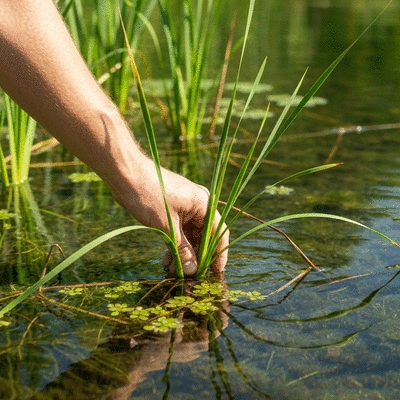
At Clear Pond Solutions, we believe in the power of community! I encourage you to share your own experiences with maintaining a healthy pond ecosystem. Whether you have tips on managing algae or favorite plant choices, your insights can help fellow pond enthusiasts make informed decisions. For additional resources on pond management for recreational fishing, consider insights from the University of Arkansas at Pine Bluff.
Consider joining a local pond care group or forum! Here are some ideas on how to engage:
By fostering an environment of sharing and support, we can all enhance our pond care journeys and celebrate the beauty of our aquatic ecosystems together. What tips do you have that could help someone else in the community?
Sustainable pond management is vital for the long-term health of your ecosystem. As someone who has dedicated years to promoting healthy aquatic environments, I can’t stress enough the importance of incorporating conservation techniques into your routine. These practices not only protect your pond but also contribute positively to the surrounding environment, aligning with principles discussed by the Texas A&M AgriLife Extension on pond management.
Here are some effective techniques to consider:
By adopting these practices, you'll play a crucial role in conserving the health of your pond ecosystem. Together, we can create a sustainable future for our beloved aquatic environments! What conservation methods have you found effective in your pond care routine?
Here is a quick recap of the important points discussed in the article: