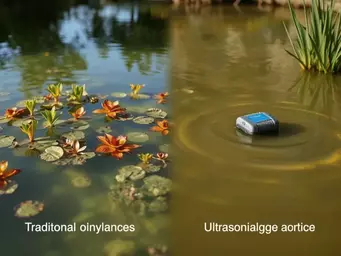
Beneficial Bacteria
- ✓ Eco-friendly and sustainable
- ✓ Promotes long-term pond health
- ✓ Enhances water clarity naturally
* Natural, sustainable, and promotes a balanced ecosystem.

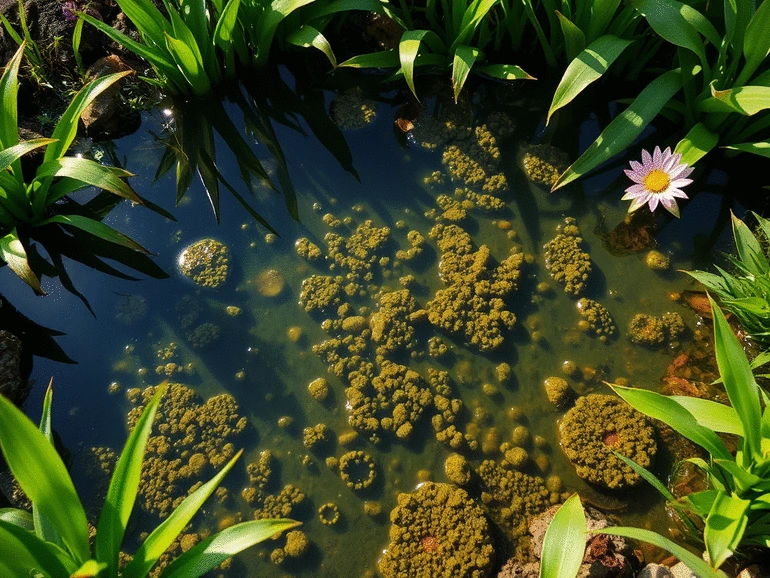
Have you ever wondered how tiny microorganisms can have a monumental impact on the health of your pond? The secret lies in beneficial bacteria, which serve as nature's powerful allies in maintaining a thriving aquatic ecosystem.
This comparison highlights the key differences between using beneficial bacteria and chemical treatments for pond care, focusing on their impact and sustainability.
* Natural, sustainable, and promotes a balanced ecosystem.
* Often a quick fix, but with potential negative environmental impact.
Maintaining a healthy pond can feel like a daunting task, but understanding beneficial bacteria can make all the difference! These tiny organisms play a vital role in your pond's ecosystem by breaking down organic waste, enhancing water quality, and promoting a balanced environment. When your pond is thriving with beneficial bacteria, it leads to clearer water, healthier fish, and flourishing aquatic plants. Are you ready to learn how these microorganisms can be your pond's best friends?
Beneficial bacteria are essential for the decomposition of organic material in your pond, like fallen leaves and fish waste. By breaking down these substances, they help to prevent toxic buildups that could harm aquatic life. This natural process also enhances overall water quality, ensuring that your pond remains a safe and inviting habitat for fish and plants alike!
By fostering a thriving community of beneficial bacteria, you’re taking an important step towards creating a balanced ecosystem within your pond. It's like having a natural filtration system working tirelessly to keep your water clean and clear!
Beneath the surface, beneficial bacteria go to work through a series of fascinating scientific processes. They convert harmful substances—like ammonia and nitrites—into harmless byproducts, such as water and carbon dioxide. This process is known as biological filtration, and it’s crucial for maintaining a safe environment for your pond’s inhabitants.
When you introduce these bacteria into your pond, they begin to multiply, rapidly increasing their ability to handle waste. This not only helps in keeping the water clear but also contributes to a healthier pond ecosystem overall. Have you ever seen a pond that sparkles? That could be the work of beneficial bacteria!
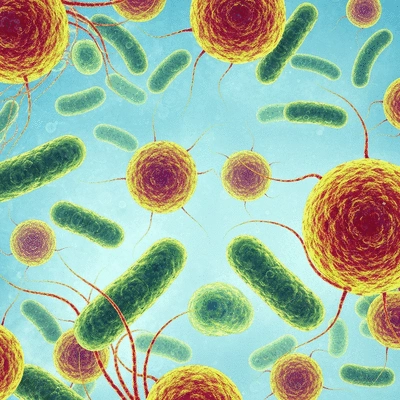
While chemical treatments may offer quick fixes for problems like algae blooms, they often come with downsides, such as harming beneficial microorganisms and disrupting the ecosystem's balance. On the other hand, beneficial bacteria provide a sustainable, long-term solution that promotes natural health without the side effects of harsh chemicals.
Choosing beneficial bacteria over chemical treatments not only aligns with sustainable practices but also helps cultivate a thriving aquatic community in your pond. After all, who doesn’t want a pond that’s both beautiful and ecologically sound?
When it comes to pond management, it’s essential to recognize the difference between short-term fixes and sustainable solutions. Beneficial bacteria offer a proactive approach to maintaining your pond's health by tackling the root causes of issues rather than just alleviating symptoms. They build a strong foundation for a self-sustaining ecosystem.
By investing in beneficial bacteria, you’re not just solving problems for today—you’re ensuring a vibrant and balanced pond for years to come! Have you considered making the switch to a more sustainable approach in your pond care routine?
There are several strains of beneficial bacteria, each with unique roles in maintaining pond health. Understanding these types can help you make informed decisions about what to add to your pond. For instance, the Penn State Extension provides detailed insights into various beneficial bacteria for pond management, explaining their specific functions and how they contribute to a healthy aquatic environment.
Incorporating a mix of these bacteria into your pond can lead to a well-rounded ecosystem that supports fish health and overall clarity. Have you thought about which types of bacteria might benefit your pond?
The health of your pond is closely tied to microbial activity, especially that of nitrifying bacteria. These tiny organisms contribute significantly to the nitrogen cycle, converting harmful waste products into beneficial nutrients for aquatic plants. This cycle ensures that your pond remains balanced and supports diverse life forms.
According to the EPA, biological treatments, including beneficial bacteria, are effective methods for managing nutrient pollution, which is a key aspect of maintaining healthy microbial activity in aquatic systems. By nurturing microbial activity, you can create a self-sustaining ecosystem that requires less intervention over time. Isn’t it amazing how these little creatures can have such a profound impact on the environment?
Ready to introduce beneficial bacteria into your pond? Here’s a simple guide to get you started:
Following these steps will set you on the right path toward a cleaner and healthier pond! Are you excited to see the positive changes in your aquatic environment?
Applying beneficial bacteria isn't a one-time event! It’s important to consider seasonal changes for optimal results. For instance, spring is an excellent time to introduce bacteria as temperatures rise, and microbial activity increases. Here are some tips for seasonal application:
Winter applications may be less frequent, but it’s crucial to ensure that beneficial bacteria remain present to handle organic matter decomposition during colder months. How do you adapt your pond care routine for the seasons?
One of the most exciting benefits of adding beneficial bacteria to your pond is the potential for improved water clarity. These microorganisms help control algae growth by outcompeting them for nutrients, resulting in clearer water. Say goodbye to murky water!
With regular applications, you’ll notice less algae bloom and a healthier aquatic environment. This not only enhances the aesthetics of your pond but also provides a better habitat for fish and plants. Have you experienced a transformation in your pond’s clarity?
As you embark on your journey with beneficial bacteria, you might have some questions. Don’t worry, I’ve got you covered! Here are some frequently asked questions regarding their effectiveness and safety:
Here are some common questions about beneficial bacteria for ponds:
Addressing these common concerns can help you feel more confident in using beneficial bacteria to support your pond’s health. What questions do you still have about this natural solution?
When selecting beneficial bacteria for your pond, look for strains that are specifically designed for aquatic environments. Here are a few types to consider:
Choosing the right types of bacteria can have a significant impact on maintaining a thriving and clean pond. Have you explored products that feature these beneficial strains?
It’s essential to follow dosing instructions closely for beneficial bacteria. However, if you ever find yourself facing issues such as an overdose, here are some solutions:
With these troubleshooting tips, you can keep your pond healthy and vibrant! Have you faced any challenges with beneficial bacteria in your pond maintenance journey?
Did you know? Regularly monitoring your pond's water parameters can significantly enhance the effectiveness of beneficial bacteria. Aim to test for pH, ammonia, and nitrite levels at least once a month. Keeping these levels in check not only supports bacterial growth but also ensures a healthier environment for your fish and plants!
To wrap up, it's clear that incorporating beneficial bacteria into your pond maintenance routine offers numerous advantages! These tiny organisms play a crucial role in maintaining pond cleanliness and health by breaking down organic waste and enhancing water quality. Not only do they contribute to a balanced ecosystem, but they also provide a sustainable solution for addressing common pond issues.
In essence, beneficial bacteria are your pond's best friends. They help create a thriving environment for fish and plants, minimizing the need for harsh chemicals. What more could you ask for in your pond care strategy?
Embracing a natural approach to pond maintenance is essential for long-term success. By using beneficial bacteria, you're choosing a solution that not only works effectively but is also eco-friendly. This method promotes the health of your pond while reducing the impact on the surrounding environment. The Lakehead University's insights on pond management further emphasize the importance of beneficial bacteria for maintaining ecosystem health. Plus, it's rewarding to see your pond thrive without relying on chemicals!
As you can see, the benefits of a natural approach are substantial. Have you considered how going green can transform your pond care experience?
Now that you understand the value of beneficial bacteria, it's time to take action! I encourage you to integrate beneficial bacteria into your pond care routine. Look for products specifically designed for pond ecosystems, and don’t hesitate to explore resources that can guide you through the process. At Clear Pond Solutions, we offer a variety of product comparisons and recommendations to help you make informed choices!
What steps will you take to enhance your pond management with beneficial bacteria? Remember, every little improvement counts!
To maximize the benefits of beneficial bacteria, consider pairing them with other eco-friendly practices for comprehensive pond management. Implementing strategies like pond aeration and using organic solutions can further improve your pond's health and clarity.
These practices complement the role of beneficial bacteria and help create a balanced environment. Have you thought about which eco-friendly options would work best for your pond?
Finally, a crucial part of enhancing your pond health is monitoring water chemistry. Keeping track of water pH levels, nutrients, and organic matter is essential for ensuring beneficial bacteria thrive. Regular tests will help you understand your pond's needs and how beneficial bacteria can aid in its management.
Understanding your pond's chemistry empowers you to make the best decisions for its health. What have you learned about your pond's chemistry lately?
Here is a quick recap of the important points discussed in the article: