Home >

Choosing the Right Pond Liner

Choosing the Right Pond Liner

Pond Liner Types Compared: Which Is Right for Your Water Feature?
Evelyn Thatcher | 2025-12-06

Are you aware that the right pond liner can significantly impact not just the aesthetics of your water feature, but also the health of your aquatic life? Let’s explore how a simple choice can transform your pond experience.

What You Will Learn

  • Choosing the right pond liner prevents water loss and supports a stable environment for fish and plants.
  • Different types of pond liners, such as EPDM and PVC, offer unique advantages tailored to specific needs.
  • Opt for fish-safe liners to protect your aquatic ecosystem from harmful chemicals.
  • Consider your pond's size, shape, and climate when selecting a liner for optimal performance.
  • A healthy pond ecosystem relies on materials that allow beneficial bacteria and plants to thrive.

Pond Liner Options: A Comparative Overview

Understanding the features and benefits of different pond liner types is crucial for a healthy and aesthetically pleasing pond. Below is a comparison of five popular options:

EPDM (Ethylene Propylene Diene Monomer)

Known for its flexibility and exceptional durability, EPDM is widely recognized as fish-safe. It adapts well to various pond shapes.

  • Pros: High flexibility, very durable, fish-safe.
  • Cons: Can be more expensive.

PVC (Polyvinyl Chloride)

A budget-friendly option, PVC is ideal for small ponds and specific pond manufacturing, provided it's fish-safe.

  • Pros: Cost-effective, good for small projects.
  • Cons: Less flexible than EPDM, UV degradation concerns.

Polyethylene

Offers versatility but comes with potential limitations. Can be fish-safe if explicitly certified.

  • Pros: Versatile, lighter weight.
  • Cons: Less durable, check for fish-safe certifications.

RPE (Reinforced Polyethylene)

Known for enhanced strength and longevity due to its reinforcement. Good puncture resistance.

  • Pros: High strength, good longevity, puncture resistant.
  • Cons: Can be stiffer, may require professional installation.

HDPE (High-Density Polyethylene)

Extremely robust and resistant to punctures, HDPE is suitable for heavy-duty applications.

  • Pros: Extremely robust, excellent puncture resistance.
  • Cons: Less flexible, more difficult to install.

Understanding Pond Liners: What You Need to Know

When it comes to creating a beautiful and healthy pond, choosing the right pond liner is crucial! It's the foundation that keeps your water where it belongs and helps maintain a balanced ecosystem. With various options available, understanding the different types and their benefits can make a big difference in your pond's success. Let’s dive in!

Importance of Choosing the Right Pond Liner

Your pond liner serves as a barrier between your water and the surrounding soil, preventing leaks and ensuring that your aquatic life thrives. A well-selected liner not only protects your pond but also enhances its aesthetic appeal. Are you ready to discover how the right liner can impact water quality and plant health?

  • Prevents water loss and soil contamination, a key aspect of pond sealing and lining as detailed by the USDA.
  • Supports a stable environment for fish and plants.
  • Enhances the overall design of your pond.

As an experienced pond care expert, I can tell you that taking the time to choose the right liner pays off in the long run. Whether you’re building a small garden pond or a larger, more elaborate water feature, your choice of liner will affect everything from maintenance to visual appeal.

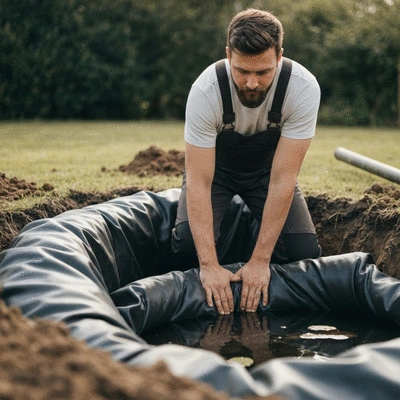
Person installing a pond liner in a garden pond

Overview of Different Pond Liner Types

There are several types of pond liners available, each with its own unique features and benefits. Here’s a quick rundown of the most popular options:

  • EPDM (Ethylene Propylene Diene Monomer): Known for its flexibility and durability.
  • PVC (Polyvinyl Chloride): A budget-friendly option, ideal for small ponds.
  • Polyethylene: Offers versatility but comes with certain limitations.
  • RPE (Reinforced Polyethylene): Known for enhanced strength and longevity.
  • HDPE (High-Density Polyethylene): Extremely robust and resistant to punctures.

Each type of liner has its unique advantages and is suited for different pond styles and conditions. Understanding these differences can help you make an informed decision that aligns with your pond goals.

Exploring Fish-Safe Liner Options for Aquatic Life

As a pond owner, ensuring the safety of your fish and plants is a top priority. That's why it's vital to choose liners that are labeled as fish-safe. Here are some options that are safe for aquatic life:

  • EPDM liners are widely recognized as fish-safe and durable.
  • PVC liners are also suitable, provided they are specifically manufactured for pond use.
  • Polyethylene liners can be fish-safe, but check for certifications.

When selecting a liner, always consider the materials used in its production. Avoid any liners that may leach harmful chemicals into the water. At Clear Pond Solutions, we emphasize the importance of using eco-friendly, fish-safe products, ensuring a healthy habitat for your aquatic friends! For more specific guidance on construction and safety, you can refer to resources like the New York State Department of Environmental Conservation's pond construction guidelines.

Pro Tip

When choosing a pond liner, always consider the long-term impact on your pond's ecosystem. Opt for eco-friendly materials that are specifically labeled as fish-safe, ensuring that your aquatic life remains healthy and vibrant. Remember, a little extra research can lead to a thriving pond that you and your fish will enjoy for years to come!

Frequently Asked Questions About Pond Liners

A pond liner is crucial because it acts as a barrier to prevent water loss and soil contamination, maintaining a stable environment for fish and plants. It also contributes to the aesthetic appeal and overall success of your pond.

The main types include EPDM (Ethylene Propylene Diene Monomer), PVC (Polyvinyl Chloride), Polyethylene, RPE (Reinforced Polyethylene), and HDPE (High-Density Polyethylene). Each has unique advantages for different pond needs.

Always look for liners explicitly labeled as "fish-safe" or "aquatic-safe." EPDM liners are widely recognized as fish-safe. For PVC and Polyethylene, verify certifications to ensure they won't leach harmful chemicals into the water.

Consider the material type, durability, fish safety, and ease of installation. Also, evaluate your pond's specific needs, such as size, shape, climate, and whether it will host fish or plants.

A suitable pond liner supports a healthy ecosystem by preventing leaks and soil contamination. Fish-safe liners ensure aquatic life thrives, and materials that allow beneficial bacteria and plants to grow contribute to overall water quality.

Making an Informed Choice About Pond Liners

When it comes to selecting the perfect pond liner, there are several key factors to keep in mind. Understanding your specific needs and the characteristics of your pond will guide you toward the right choice. Let’s recap the vital points you should consider:

  • Material Type: Choose between EPDM, PVC, polyethylene, RPE, or HDPE based on your budget and environmental conditions.
  • Durability: Look for liners that can withstand punctures and UV exposure over time.
  • Fish Safety: Opt for eco-friendly materials that won't harm aquatic life.
  • Installation Ease: Consider whether you want to tackle the installation yourself or hire a professional.

By focusing on these factors, you can confidently navigate the options and make a choice that best supports your pond’s health and aesthetics. Are you feeling prepared to dive into the decision-making process?

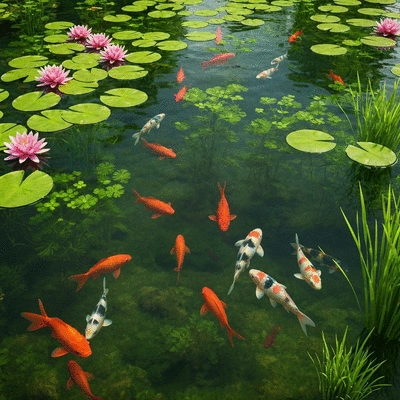
Healthy pond ecosystem with fish and aquatic plants

Encouragement to Consider Your Unique Water Feature Needs

Every pond is unique, and so are the needs of your aquatic ecosystem. Take a moment to think about the specific requirements of your water feature. For instance, will your pond host fish or aquatic plants? Do you expect heavy rainfall or extreme sun exposure? Here are some important aspects to evaluate:

  • Size and Shape: Larger ponds may benefit from more robust materials, while smaller ones can often use cost-effective options. The Indiana Department of Environmental Management offers standards for proper pond lining to prevent environmental contamination.
  • Climate Considerations: Regions with intense sunlight may require UV-resistant liners.
  • Aesthetic Preferences: Some liners come in colors that can enhance the look of your pond.

Identifying these needs helps ensure your choice will not only function well but also create a beautiful backdrop for your outdoor space!

Pond Ecosystem and Wildlife Considerations in Your Selection

As a pond care expert, I cannot stress enough the importance of considering the ecosystem when selecting your pond liner. A healthy pond supports a variety of wildlife, and your liner should facilitate this. Here are a few points to ponder:

  • Fish Safety: Ensure your liner is free of harmful chemicals that could impact fish and other wildlife.
  • Natural Habitats: Choose liners that allow for the growth of beneficial bacteria and plants.
  • Water Quality Impact: Select materials that will not leach harmful substances into your pond.

By taking wildlife and ecosystem dynamics into account, you’ll create a thriving environment that supports both aquatic life and your enjoyment of your pond.

Next Steps for Your Pond Project

Explore Further Resources and Product Options

Now that you have a strong understanding of pond liners, it’s time to delve deeper! At Clear Pond Solutions, we offer a variety of resources and product comparisons to help you make informed decisions. Whether you’re seeking detailed guides or specific product recommendations, we've got you covered. Ready to start exploring?

Join Our Community for Expert Advice and Support

Are you eager to connect with fellow pond enthusiasts? Join our community at Clear Pond Solutions for ongoing support and expert advice! Share your experiences, learn from others, and get tips tailored to your unique pond project. Together, we can create and maintain beautiful aquatic ecosystems that thrive!

Recap of Key Points

Here is a quick recap of the important points discussed in the article:

  • Importance of Pond Liners: They prevent water loss, support aquatic life, and enhance the pond's aesthetic.
  • Types of Pond Liners: Familiarize yourself with EPDM, PVC, polyethylene, RPE, and HDPE to choose the best fit for your pond.
  • Fish-Safe Options: Ensure liners are labeled as fish-safe to protect your aquatic ecosystem.
  • Consider Unique Needs: Evaluate your pond's size, climate, and design preferences when selecting a liner.
  • Ecosystem Impact: Choose liners that support beneficial bacteria and do not leach harmful substances.
Subscribe & Share

About Clear Pond Solutions

At Clear Pond Solutions, we empower you with expert guidance and eco-friendly solutions to create and maintain pristine, healthy pond ecosystems. Your thriving pond is our priority.