pH Levels
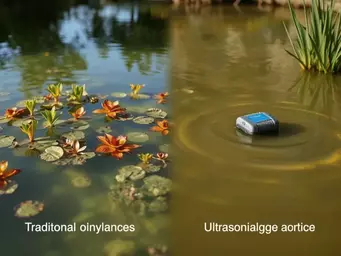
Measures acidity/alkalinity. Ideal range: 6.5-7.5. Fluctuations stress fish & plants.
Key: 6.5-7.5 (Stable)

Maintaining a healthy pond is vital for the ecosystem it supports. Did you know that simple practices can transform your pond into a thriving habitat? By understanding key water quality factors, you can ensure a balanced environment for both plants and aquatic life.
Maintaining optimal pond health involves monitoring several critical parameters. The diagram below illustrates the four essential water quality factors and their impact on aquatic life.
Measures acidity/alkalinity. Ideal range: 6.5-7.5. Fluctuations stress fish & plants.
Components of the nitrogen cycle. High ammonia is toxic; nitrates cause algae.
Oxygen vital for fish (>5 mg/L). Hardness (Ca/Mg) supports plants & pond health.
Affects metabolism & oxygen levels. Ideal for fish: 65-75°F (18-24°C).
Pond water quality is crucial for maintaining a thriving aquatic ecosystem. As the owner of Clear Pond Solutions, I’ve seen firsthand how clean and balanced water fosters healthy fish and plant life. Understanding the importance of water quality is the first step in ensuring your pond remains a vibrant habitat for all its inhabitants!
Good pond water quality affects not just the health of your fish and plants, but it also influences the overall ecosystem. Regular monitoring and management of water conditions can prevent issues like algae blooms and fish stress, which can damage the delicate balance of your pond. Are you ready to dive into why this matters?
The health of your pond ecosystem hinges on its water quality. When the water is clean and well-maintained, it supports a diverse range of aquatic life. Healthy water leads to:
Each of these factors contributes to a more balanced ecosystem, enhancing the beauty and health of your pond. So, keeping an eye on your water quality is essential for a flourishing environment!
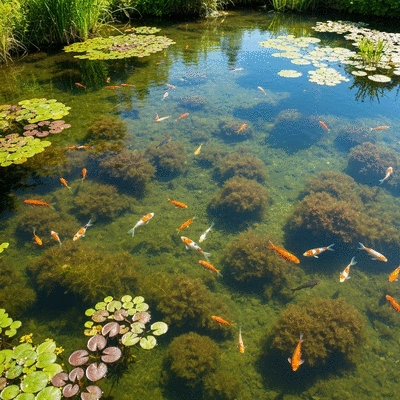
Water quality directly impacts the vitality of both fish and aquatic plants. Fish rely on clear water for breathing and reproduction, while plants use it to absorb nutrients. Poor water conditions can lead to:
By ensuring quality water, you enhance the living conditions for fish and plants, leading to a more sustainable pond ecosystem. What challenges have you faced in managing your pond’s water quality?
The aquatic ecosystem is a complex web of relationships. Fish, plants, and microorganisms all play roles that depend on one another, and water quality is at the center of these interactions. For instance, aquatic plants produce oxygen, which is vital for fish survival. In return, fish help to maintain plant health by controlling algae levels.
Recognizing these dependencies can guide your pond maintenance efforts and promote a healthier ecosystem overall. Are you leveraging these interactions in your pond care routine?
What challenges have you faced in managing your pond's water quality? Share your thoughts below:
Understanding the key water quality parameters is crucial for maintaining a healthy pond ecosystem. Each factor plays a significant role in ensuring your pond remains vibrant and supports aquatic life. By regularly monitoring these parameters, you can take proactive steps to address any potential issues before they escalate.
Here are the four critical water quality parameters we need to focus on:
Taking the time to monitor these parameters regularly can greatly enhance the health and longevity of your pond. Are you ready to dive deeper into each of these elements?
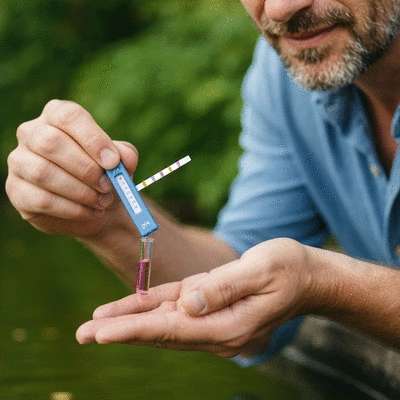
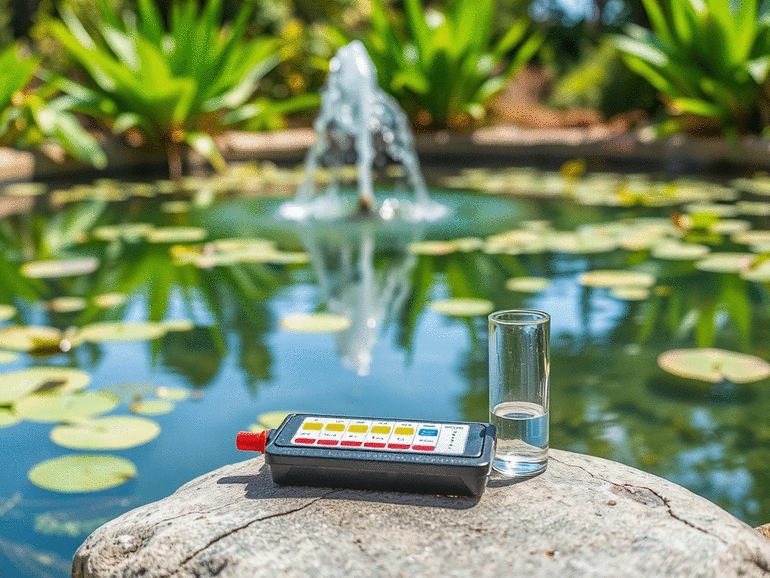
The pH level of your pond water is an essential indicator of its health. Ideally, you want to maintain a pH between 6.5 and 7.5. Anything outside of this range can stress fish and plants, leading to imbalances. Testing your pH regularly with a simple kit will help you keep track of fluctuations and ensure proper pond health, as highlighted by Penn State Extension.
When the pH level is too low (acidic), it can harm your aquatic life. Conversely, a high pH (alkaline) can lead to other issues, such as reduced nutrient absorption for plants. It's always a good idea to test for pH at different times of the day to get the most accurate readings. Have you tested your pond water lately?
Ammonia, nitrites, and nitrates are critical components of the nitrogen cycle in your pond. High levels of ammonia are particularly toxic to fish, leading to stress and even death, as detailed in reports like those from Texas A&M AgriLife Extension. It’s essential to keep ammonia levels near zero for a thriving pond environment.
Nitrites, while slightly less harmful than ammonia, can still pose a threat if levels rise. On the other hand, nitrates are less toxic but can lead to excessive algae growth if not managed properly. Regular testing will help you maintain these levels and ensure a balanced ecosystem. Have you considered implementing a filtration system to help manage these compounds?
Dissolved oxygen is vital for fish and beneficial bacteria in your pond. Healthy fish populations thrive in water with at least 5 mg/L of dissolved oxygen, according to research published in the PMC. If your oxygen levels drop too low, you may notice stressed fish swimming near the surface or gasping for air. Aeration solutions can help boost these levels, enhancing your pond's health.
Pond hardness, measured in parts per million (ppm), indicates the amount of calcium and magnesium in the water. A certain level of hardness is necessary for the growth of aquatic plants and the overall health of your pond. Regular testing for both dissolved oxygen and hardness will keep your ecosystem balanced. What methods do you use to improve oxygen levels in your pond?
Water temperature can greatly influence the growth and behavior of aquatic life. Most fish species thrive in temperatures ranging from 65°F to 75°F. During seasonal changes, it's important to monitor temperature fluctuations closely. High temperatures can lead to decreased oxygen levels, putting your fish at risk.
Consider using a pond thermometer to track water temperature regularly. This will allow you to react quickly to any sudden changes and protect your aquatic environment. What temperature management strategies have you found effective in your pond?
Here is a quick recap of the important points discussed in the article: