Home >

Agricultural Runoff and Pond Health

Agricultural Runoff and Pond Health

How Agricultural Runoff Impacts Pond Water Quality and Effective Mitigation Techniques
Evelyn Thatcher | 2026-02-01

Have you ever considered how the simple act of farming can ripple through ecosystems? Understanding agricultural runoff is crucial for anyone involved in pond management. This article dives deep into the unseen consequences of farming practices on our water bodies and offers vital strategies for maintaining their health.

What You Will Learn

  • The impact of agricultural runoff on pond ecosystems, including the causes of eutrophication and harmful algae blooms.
  • Key pollutants, such as phosphorus, nitrogen, and sediment, and their effects on water quality and aquatic life.
  • The concept of nutrient loading and its detrimental effects, including algal blooms and oxygen depletion.
  • Effective prevention strategies to mitigate agricultural runoff, such as riparian buffers and Best Management Practices (BMPs).

The Impact of Agricultural Runoff on Pond Water Quality

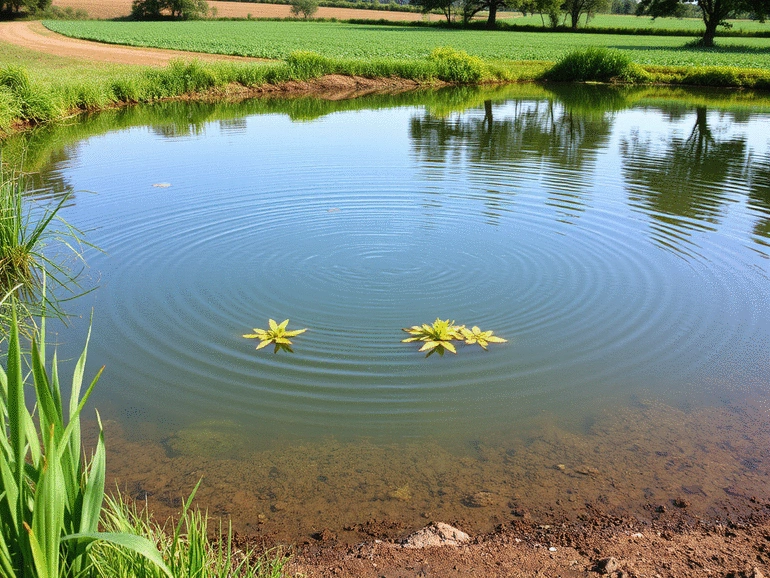
Agricultural runoff significantly impacts pond ecosystems. The visual below highlights the primary pollutants, their sources, and the resulting effects on water quality.

Key Pollutants from Agricultural Runoff

  • Phosphorus: Stimulates rapid algae growth, leading to eutrophication.
  • Nitrogen: Fuels algae blooms and disrupts natural nitrogen cycles.
  • Sediment: Clouds water, carries nutrients, and smothers aquatic plants.
Effects of Nutrient Loading on Pond Ecosystems

  • Algal Blooms: Rapid growth, blocking sunlight and forming dense mats.
  • Oxygen Depletion: Algae decomposition consumes oxygen, harming aquatic life.
  • Water Quality Decline: Leads to foul odors, reduced clarity, and unsightly conditions.

Effective Prevention Strategies

  • Riparian Buffers: Planted areas along water bodies to filter runoff.
  • Best Management Practices (BMPs): Techniques to reduce erosion and nutrient loss.
  • Constructed Wetlands: Engineered systems to naturally filter pollutants.

Importance of Addressing Runoff

  • Protecting Aquatic Life: Ensures diverse and healthy pond ecosystems.
  • Improving Water Quality: Leads to clearer, cleaner, and healthier water.
  • Enhancing Community Well-being: Contributes to aesthetic value and enjoyment.

Understanding the Impact of Agricultural Runoff on Pond Water Quality

As a pond care expert, I've seen firsthand how agricultural runoff can dramatically affect pond ecosystems. When it rains, surface runoff carries fertilizers, pesticides, and other pollutants from farmland directly into our ponds. This process leads to serious issues like eutrophication and harmful algae blooms, which can disrupt the delicate balance of aquatic life. Understanding these mechanisms is the first step toward creating a healthier pond environment.

To help you visualize this, think of your pond as a delicate ecosystem—a network of life that thrives on balance. When excess nutrients enter the water, they act like a double-edged sword, encouraging unwanted growth of algae while depleting oxygen levels for fish and other aquatic organisms. Let's dive into this issue together and learn how to combat these challenges!

The Mechanisms of Pollution from Agricultural Practices

Agricultural practices, such as conventional tillage and excessive fertilizer use, are major contributors to water pollution. When it rains, water flows over these agricultural lands, picking up harmful substances along the way. This runoff can transport:

  • Fertilizers: High levels of phosphorus and nitrogen can lead to rapid algae growth.
  • Pesticides: Chemicals designed to kill pests can harm beneficial aquatic organisms.
  • Sediment: Soil erosion can cloud water and smother aquatic plants.

As these pollutants enter your pond, they trigger a chain reaction that can result in poor water quality. It's crucial to understand these mechanisms so we can implement effective solutions to protect our ponds! The Environmental Protection Agency (EPA) provides valuable insights into how agricultural runoff impacts water quality across various ecosystems.

Key Pollutants: Phosphorus, Nitrogen, and Sediment

Let’s break down three of the most significant pollutants that affect pond water quality: phosphorus, nitrogen, and sediment. Each of these plays a unique role in the degradation of aquatic ecosystems:

  • Phosphorus: Often found in fertilizers, it stimulates algae growth, leading to eutrophic conditions that can suffocate fish.
  • Nitrogen: Another common fertilizer component, excessive nitrogen can also promote algae blooms and disrupt the nitrogen cycle in ponds.
  • Sediment: When soil washes into ponds, it carries nutrients and can block sunlight, hindering plant growth.

Understanding these pollutants is essential for anyone looking to maintain a healthy pond. It's all about finding the right balance and preventing excess inputs from entering these precious ecosystems.

Nutrient Loading and Its Effects on Pond Ecosystems

Nutrient loading refers to the accumulation of nutrients in water bodies, primarily due to runoff. This phenomenon can be detrimental to pond health, leading to several issues, such as:

  • Algal Blooms: Rapid growth of algae can create thick mats on the water surface, blocking sunlight.
  • Oxygen Depletion: As algae die and decompose, oxygen levels drop, making it hard for fish and other organisms to survive.
  • Water Quality Decline: High nutrient levels can lead to foul odors and unsightly water conditions.

Recognizing the sources of nutrient loading—especially from agricultural activities—can empower pond owners to take actionable steps in mitigating these impacts. Together, we can work towards restoring balance in our pond environments! The Chesapeake Bay Program offers a detailed overview of agricultural runoff and its threats to the Bay, which can be applied to pond ecosystems as well.

Identifying Effective Prevention Strategies to Mitigate Agricultural Runoff

Now that we’ve covered the impacts of agricultural runoff on pond quality, let’s explore some effective prevention strategies. By implementing these techniques, we can help protect our ponds and promote healthier ecosystems:

  • Implementing riparian buffers
  • Adopting Best Management Practices (BMPs)
  • Utilizing constructed wetlands

Taking action is crucial! It’s not just about understanding the problem; it’s about making proactive choices that lead to sustainable pond care and environmental well-being. Let’s delve into these strategies in the following sections!

Pro Tip

To effectively combat agricultural runoff, consider implementing a buffer zone of native plants around your pond. These plants can absorb excess nutrients before they enter the water, improving overall water quality and providing habitat for wildlife. Remember, every small action contributes to the health of your pond ecosystem! The USDA's Natural Resources Conservation Service (NRCS) provides resources on conservation practices for water quality, including the establishment of riparian buffers.

Frequently Asked Questions About Agricultural Runoff and Pond Health

Q: What is agricultural runoff?

A: Agricultural runoff occurs when excess water from rain or irrigation flows over farmland, picking up pollutants like fertilizers, pesticides, and sediment, and carrying them into nearby water bodies like ponds.

Q: How does agricultural runoff affect pond ecosystems?

A: It introduces excess nutrients (phosphorus, nitrogen) which lead to eutrophication and harmful algal blooms. These blooms block sunlight, deplete oxygen when they decompose, and can harm aquatic life, reducing water quality.

Q: What are the primary pollutants from agricultural runoff?

A: The main pollutants are phosphorus, nitrogen (from fertilizers), pesticides, and sediment (eroded soil). Each contributes to degrading water quality and disrupting aquatic ecosystems.

Q: What is nutrient loading and its consequences?

A: Nutrient loading is the accumulation of excessive nutrients in water bodies. It results in rapid algal blooms, which then lead to oxygen depletion as the algae decompose, ultimately causing a decline in overall water quality with foul odors and reduced clarity.

Q: What are effective strategies to prevent agricultural runoff?

A: Effective prevention strategies include implementing riparian buffers (planted areas along water bodies), adopting Best Management Practices (BMPs) to reduce erosion and nutrient loss, and utilizing constructed wetlands to naturally filter pollutants.

Summarizing the Importance of Addressing Agricultural Runoff

Agricultural runoff is a significant threat to pond water quality, carrying pollutants that can drastically impact aquatic ecosystems. By understanding how nutrients, sediments, and chemicals travel from fields into our ponds, we can see the urgency of addressing these issues. Effective management practices are essential for maintaining a healthy pond environment.

When we allow agricultural runoff to go unchecked, we risk creating conditions that lead to eutrophication and harmful algal blooms. These problems not only diminish water quality but also threaten fish, wildlife, and the overall balance of the ecosystem. It is clear that proactive measures are not just beneficial; they are essential!

  • Protecting aquatic life: Healthy ponds support diverse ecosystems.
  • Improving water quality: Effective strategies lead to clearer, cleaner water.
  • Enhancing community well-being: Clean ponds contribute to the enjoyment and aesthetic value for local communities.

As we summarize the importance of addressing agricultural runoff, I encourage you to reflect on how these insights apply to your own pond management practices. By taking action now, we can safeguard our aquatic environments for generations to come.

Encouraging Responsible Practices and Continuous Learning

As we navigate the complexities of agricultural runoff, it’s vital to embrace responsible practices that contribute to healthy ponds. I invite you to implement the strategies we've discussed, such as incorporating riparian buffers and utilizing best management practices (BMPs). Each step you take matters!

Additionally, I encourage you to explore further resources available through Clear Pond Solutions. Whether you're looking for expert consultations or product recommendations, I’m here to help you achieve your pond care goals. Remember, maintaining a healthy pond is a journey, and continuous learning is key to success. Let's embark on this journey together!

  • Explore our guides: Discover detailed articles on pond care.
  • Join our community: Engage with fellow pond enthusiasts.
  • Contact me: Reach out for personalized advice and product suggestions.

Don't hesitate to take the next step in your pond management journey. Together, we can create thriving aquatic ecosystems that benefit both our environment and our communities.

Recap of Key Points

Here is a quick recap of the important points discussed in the article:

  • Agricultural runoff: Carries fertilizers, pesticides, and pollutants into ponds, leading to eutrophication and harmful algae blooms.
  • Key pollutants: Phosphorus, nitrogen, and sediment are the main contributors to poor pond water quality.
  • Nutrient loading: Results in algal blooms, oxygen depletion, and overall decline in water quality.
  • Prevention strategies: Implementing riparian buffers, adopting Best Management Practices (BMPs), and utilizing constructed wetlands can mitigate runoff effects.
  • Importance of action: Proactive measures are essential for maintaining healthy pond ecosystems and enhancing community well-being.
Subscribe & Share

About Clear Pond Solutions

At Clear Pond Solutions, we empower you with expert guidance and eco-friendly solutions to create and maintain pristine, healthy pond ecosystems. Your thriving pond is our priority.

Clear Pond Solutions

Welcome to Clear Pond Solutions, your trusted source for expert advice, practical tools, and eco-friendly strategies for maintaining pristine, balanced pond environments. We're here to help you create and sustain healthy aquatic ecosystems.

© Copyrights. All rights reserved. Clear Pond Solutions

Quick links
Connect with us
Newsletter

Subscribe for expert pond care tips, eco-friendly solutions, and updates delivered straight to your inbox.