The delicate balance of pond water chemistry can significantly impact the health of your aquatic ecosystem. Are you equipped to manage the essential elements that keep your pond thriving? Let's explore the vital components of pond management that every owner should know.
Understanding and maintaining the balance of pH, alkalinity, and hardness is vital for a thriving pond ecosystem. Here's a quick guide to their importance and ideal levels.
Measures the acidity or alkalinity of the water, directly influencing fish health and plant growth.
Indicates water's ability to resist pH changes, crucial for preventing drastic pH swings.
Concentration of calcium and magnesium, essential for fish osmoregulation and overall vitality.
Pond water chemistry is a crucial aspect of maintaining a healthy aquatic ecosystem. It refers to the balance of various chemical compounds in the water, such as pH, alkalinity, and hardness. These factors not only affect the health of your fish and plants but also determine the overall stability of your pond environment. By understanding these elements, you can create a thriving habitat that supports diverse aquatic life. Are you ready to dive into the details?
Pond water chemistry involves the study of different components that make up the water in your pond. This includes measuring various parameters that influence how your pond functions. Maintaining ideal levels of these parameters is vital for preventing issues like algae blooms, fish stress, and plant die-off. Think of your pond as a delicate balance of life, where every element plays its part!
By monitoring these levels, you can ensure your pond remains a vibrant ecosystem. Regular checks can help prevent sudden fluctuations that could harm your aquatic friends!
Each of these three parameters plays a significant role in maintaining the balance of your pond. pH levels, ideally between 7.0 and 7.5, directly influence fish behavior and plant growth. When the pH is too low or too high, it can lead to stress for your fish and hinder plant photosynthesis. Research into water quality parameters, including pH, demonstrates their direct impact on aquatic organisms.
Keeping these levels in check will create a harmonious environment where fish thrive, plants flourish, and algae are kept at bay! So, how often do you check your pond's chemistry?
The ideal pH range for pond water is between 7.0 and 7.5. This range is considered neutral to slightly alkaline, which is best for most aquatic life. When the pH is balanced, your fish will be more active, and plants will grow more efficiently, helping to filter the water naturally.
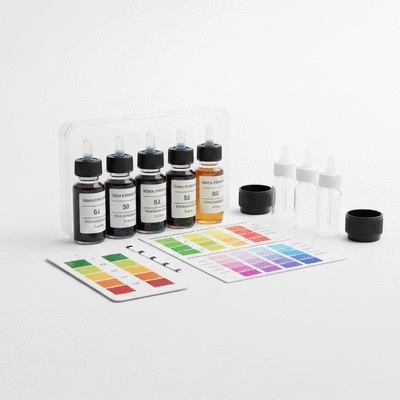
On the contrary, if your pond's pH drops below 6.0 or rises above 8.5, you may encounter problems like fish stress or algae overgrowth. Regular testing and adjustments are key to maintaining these optimal levels!
Alkalinity, often measured in parts per million (ppm), should ideally range from 50 to 240 ppm. This measure indicates the water's buffering capacity, which helps stabilize pH levels. If alkalinity is too low, your pond becomes vulnerable to rapid pH swings, which can be detrimental to fish and plant health. The role of water storage and carbon variability in irrigation ponds highlights the importance of stable water chemistry.
A well-balanced alkalinity ensures that your pond remains resilient, allowing you to enjoy the beauty of your aquatic environment without worry!
Hardness, measured in milligrams per liter (mg/L), ideally falls between 50 and 150+. This helps maintain fish health by providing the necessary calcium and magnesium for their biological functions. A balanced GH level contributes to robust fish immune systems and promotes healthy plant growth. Understanding the environmental effects on pond ecosystems, including hardness, is crucial for effective management.
When managing your pond, consider the effects of hardness on your aquatic life. Too much hardness can lead to stress, while too little can affect growth and reproduction. Finding that sweet spot is essential!
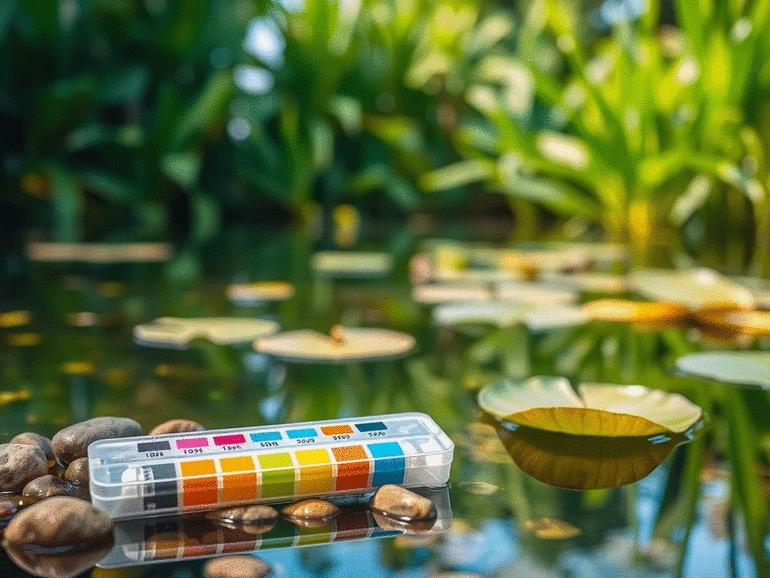
Did you know? Regularly testing your pond water chemistry not only helps maintain a healthy environment but can also prevent costly issues down the line. Aim to test your pond water at least once a month to catch any imbalances early, ensuring your aquatic life thrives!
Understanding and managing your pond's water chemistry is crucial for a thriving aquatic ecosystem. The core components—pH, alkalinity, and hardness—are interlinked and play vital roles in the health of your fish and plants. By maintaining optimal levels, you'll create a balanced environment where life can flourish!
Here are the essential points to keep in mind:
By staying proactive in your pond care routine, you can ensure that every aspect of your pond remains in harmony!
Regular testing is the backbone of successful pond management. It allows you to catch imbalances before they escalate and affect your aquatic life. I always encourage pond owners to make testing a routine part of their pond maintenance schedule. Consistent monitoring can help you maintain a healthy environment, ultimately fostering a robust ecosystem.

Here’s why regular testing is essential:
By being proactive, you'll not only enhance your pond's health but also your enjoyment of this beautiful natural space!
Connecting with fellow pond enthusiasts can be incredibly rewarding. Sharing experiences, tips, and challenges with others can offer new insights into managing your pond. I’ve found that the pond community is filled with passionate individuals ready to help each other out, whether it’s about biological filtration or the best aquatic plants to choose.
Here are a few ways to engage with the community:
Learning from others can open doors to practical solutions that you might not have considered before!
As you continue your journey in pond management, you might find additional resources beneficial. I recommend checking out these tools and literature that can bolster your knowledge and help refine your approach:
These resources can equip you with the tools needed to enhance your pond care knowledge and practices!
I invite you to become a part of our Clear Pond Solutions community. By subscribing and participating in discussions, you not only gain access to ongoing support but can also share your own experiences in managing pond ecosystems. We all learn and grow together!
Here’s how you can get involved:
Let’s work together to create healthier, more vibrant pond environments! I can’t wait to see how your ponds thrive.
Here is a quick recap of the important points discussed in the article: