Home >

Essential Tools for Pond Management

Essential Tools for Pond Management

Commercial-Grade Water Quality Monitoring Tools for Professional Pond Managers
Evelyn Thatcher | 2026-01-10

In today's world, maintaining a healthy pond ecosystem is more crucial than ever. With the right tools at your disposal, you can ensure your aquatic environment thrives and remains compliant with local regulations.

What You Will Learn

  • Commercial-grade water quality monitoring tools provide precise measurements of key parameters like chemical composition, temperature, and clarity.
  • Regular water quality monitoring helps prevent issues like algae blooms and fish kills, contributing to a healthier pond ecosystem.
  • Understanding local water quality regulations is essential for compliance and protecting both aquatic life and human health.
  • Real-time monitoring systems can alert you to deviations in water quality, allowing for swift corrective actions to maintain compliance.

Key Aspects of Commercial-Grade Water Quality Monitoring

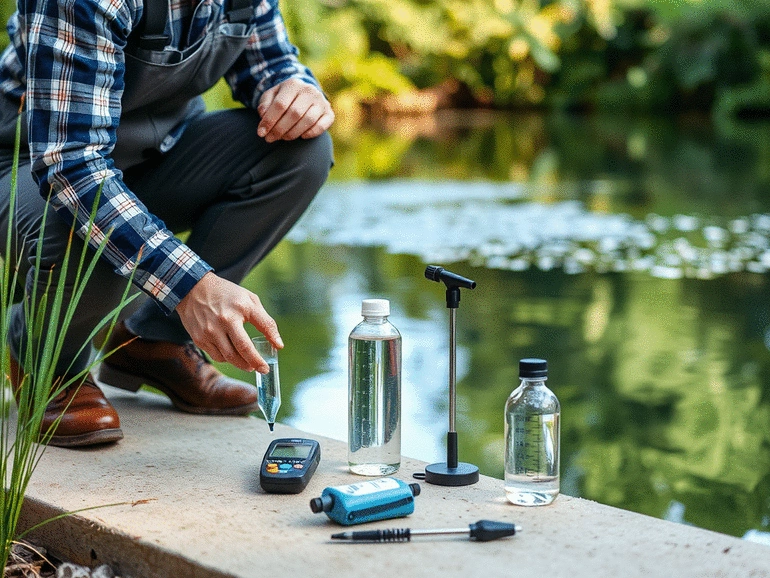
Understanding the vital role of commercial-grade water quality monitoring tools involves appreciating their advanced capabilities, data handling, and proactive role in pond management and regulatory adherence. The visual below highlights these core aspects.

What are Commercial-Grade Monitoring Tools?

Sophisticated sensors & devices engineered to measure various water quality parameters with accuracy and reliability.

Key Features
  • Advanced Sensors: Comprehensive multi-parameter data.
  • Data Logging: Historical data for trend analysis.
  • Remote Monitoring: Access data from anywhere.
Importance in Pond Management
  • Preventative Action: Early problem detection.
  • Cost Efficiency: Reduces need for expensive treatments.
  • Enhanced Biodiversity: Supports diverse aquatic life.
Ensuring Regulatory Compliance
  • Understand EPA & local water quality standards.
  • Document all water quality test results.
  • Stay updated on regulation changes.
Role of Real-Time Monitoring
  • Immediate Alerts: Deviations from standards.
  • Data Logging: Comprehensive audit records.
  • Proactive Management: Adjust practices based on data.

Understanding Commercial-Grade Water Quality Monitoring Tools for Professional Pond Managers

As a pond care expert, I understand how vital it is to ensure your pond's health through effective monitoring. Commercial-grade water quality monitoring tools are designed specifically for professional pond managers, offering precision and reliability that can make a significant difference in maintaining a balanced ecosystem. These tools help track essential water quality parameters, ensuring that your pond thrives.

In essence, these tools provide real-time data about your pond's health, making it easier to take proactive measures. By investing in the right equipment, you can manage your pond more effectively and create a sustainable aquatic environment.
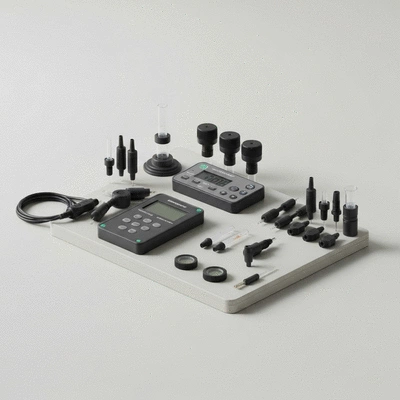
Commercial-grade pond water testing kit with probes and display

What Are Commercial-Grade Water Quality Monitoring Tools?

Commercial-grade water quality monitoring tools consist of sophisticated sensors and devices specifically engineered to measure various water quality parameters. These tools are used by professionals to monitor aspects like chemical composition, temperature, and clarity. Their accuracy and reliability set them apart from basic models, providing peace of mind for pond managers.

  • Advanced Sensors: They can measure multiple parameters simultaneously, providing comprehensive data.
  • Data Logging: Many of these systems can store historical data, allowing for trend analysis over time.
  • Remote Monitoring: Some systems offer capabilities for remote access, enabling you to monitor your pond from anywhere.

Understanding these tools is crucial for pond management. They can help identify issues before they become significant problems, ensuring that your water remains clean and healthy.

The Importance of Water Quality Monitoring in Pond Management

Water quality monitoring is a cornerstone of effective pond management. Regularly checking water parameters helps prevent issues such as algae blooms, fish kills, and poor plant health. With my experience at Clear Pond Solutions, I've seen firsthand how proactive monitoring can save time and resources in the long run.

  • Preventative Action: Early detection of problems can lead to quick resolutions.
  • Cost Efficiency: Maintaining optimal water conditions reduces the need for expensive treatments.
  • Enhanced Biodiversity: Healthy water quality supports a diverse range of aquatic life.

As pond managers, investing in water quality monitoring tools not only protects your investment but also promotes a robust and sustainable ecosystem. Are you ready to explore the options that best fit your needs?

Pro Tip

To maximize the effectiveness of your water quality monitoring tools, consider integrating them with a comprehensive pond management software. This can enhance your ability to analyze data trends, automate alerts for parameter deviations, and streamline your compliance documentation. With the right tools and technology, you'll be empowered to maintain a thriving ecosystem in your pond!

Ensuring Compliance with Water Quality Standards

As a pond manager, ensuring compliance with water quality standards is not just a regulatory requirement; it's essential for maintaining a healthy ecosystem. Understanding the regulations set by the EPA and local authorities can seem daunting, but with the right tools and knowledge, you can navigate these waters smoothly. Are you aware of the specific standards that apply to your pond management practices?

Regulatory compliance often involves regular testing and monitoring of various water quality parameters. This is where commercial-grade water quality monitoring tools come into play. These tools not only help in meeting standards but also provide valuable insights into your pond's overall health. Let’s dive into how you can effectively ensure compliance!

Person using a water quality monitoring device to test pond water

Navigating EPA and Local Regulations for Pond Management

Understanding the regulations set forth by the Environmental Protection Agency (EPA) and local jurisdictions is crucial for every pond manager. Each region may have different standards regarding water quality that are designed to protect aquatic life and human health. Here are some critical factors to consider:

  • Familiarize yourself with local water quality standards that apply to your specific area.
  • Keep documentation of all water quality tests to demonstrate compliance.
  • Stay updated on changes in regulations to ensure ongoing adherence.
  • Engage with local environmental agencies for guidance and support.

By actively participating in regulatory compliance, you not only protect the environment but also enhance your credibility as a pond manager. I always recommend maintaining a close relationship with local regulators, as they can provide valuable insights and resources!

The Role of Real-Time Monitoring in Meeting Compliance Requirements

Real-time water quality monitoring systems have become invaluable tools in ensuring compliance with water quality standards. These systems allow you to track parameters continuously, providing immediate feedback on changes that could affect compliance. Here’s how real-time monitoring plays a vital role:

  • Immediate Alerts: Receive notifications if water quality parameters deviate from acceptable ranges.
  • Data Logging: Maintain a comprehensive record of water quality data, which is essential for audits and inspections.
  • Proactive Management: Adjust management practices based on real-time data, ensuring you stay ahead of potential issues.

In my experience with Clear Pond Solutions, I've found that real-time data not only aids compliance but also enhances the overall management of pond ecosystems. It’s like having a watchful eye over your pond at all times!

Understanding Water Quality Regulations and Their Implications

Water quality regulations can have significant implications for pond management. They govern everything from allowable levels of pollutants to specific testing frequencies. For example, the Florida Department of Environmental Protection provides comprehensive assessments that detail water quality status and regulatory frameworks. Here are some essential aspects to keep in mind:

  • Identify the specific parameters you must monitor to comply with local laws.
  • Understand the potential consequences of non-compliance, including fines and environmental damage.
  • Consider how regulations impact your pond management practices and long-term sustainability goals.

By being well-informed about these regulations, you can not only maintain compliance but also contribute to the larger goal of protecting our precious water resources. Are you ready to take your pond management to the next level by ensuring compliance?

Frequently Asked Questions (FAQs)

1. What are commercial-grade water quality monitoring tools?
These are sophisticated sensors and devices designed for professional pond managers to accurately measure various water quality parameters like chemical composition, temperature, and clarity. They offer high precision and reliability, often including advanced features like data logging and remote monitoring.
2. Why is water quality monitoring important for pond management?
Regular water quality monitoring is crucial for preventing common pond issues such as algae blooms and fish kills. It allows for early detection of problems, reduces the need for expensive treatments, and supports a diverse and healthy aquatic ecosystem, contributing to cost efficiency and enhanced biodiversity.
3. How do these tools help with regulatory compliance?
Commercial-grade monitoring tools provide the precise data needed to meet water quality standards set by authorities like the EPA and local jurisdictions. They facilitate documentation of test results, help managers stay updated on regulation changes, and provide insights crucial for maintaining compliance and avoiding penalties.
4. What is the role of real-time monitoring in pond management?
Real-time monitoring systems continuously track water parameters, providing immediate alerts if conditions deviate from acceptable ranges. This allows for swift corrective actions, helps maintain comprehensive audit records, and supports proactive management decisions based on current data, essentially providing constant oversight of pond health.
5. What are the potential consequences of non-compliance with water quality regulations?
Non-compliance can lead to significant consequences, including environmental damage, fines, and legal repercussions. It can also harm the pond's ecosystem, affecting aquatic life and overall water health. Understanding and adhering to regulations is vital for sustainable and responsible pond management.

Recap of Key Points

Here is a quick recap of the important points discussed in the article:
  • Commercial-grade monitoring tools: Essential for tracking water quality parameters like chemical composition, temperature, and clarity.
  • Preventative action: Regular monitoring helps detect issues early, preventing problems like algae blooms and fish kills.
  • Compliance with regulations: Understanding and adhering to water quality standards set by local authorities is crucial for maintaining ecosystem health.
  • Real-time monitoring: Enables immediate alerts and proactive management, ensuring prompt action can be taken to maintain water quality.
  • Cost efficiency: Maintaining optimal water conditions reduces the need for expensive treatments, saving resources over time.
Subscribe & Share

About Clear Pond Solutions

At Clear Pond Solutions, we empower you with expert guidance and eco-friendly solutions to create and maintain pristine, healthy pond ecosystems. Your thriving pond is our priority.