Home >

Fixing Common Pond Water Issues

Fixing Common Pond Water Issues

Troubleshooting Common Pond Water Quality Issues: Cloudiness, Odors, and Fish Stress
Evelyn Thatcher | 2026-01-05

Have you ever gazed into your pond and felt disheartened by its cloudy water? You're not alone. Many pond owners face this common issue, and the good news is that understanding the causes and solutions can help restore clarity. Dive into these key insights to transform your aquatic environment!

What You Will Learn

  • Recognize symptoms of cloudy water, including murky appearance and visible debris.
  • Identify common causes of cloudiness, such as nutrient overload and decaying organic matter.
  • Understand the stages of eutrophication and its impact on pond health.
  • Implement seasonal maintenance to ensure optimal water quality throughout the year.
  • Utilize DIY solutions to manage algae and enhance water clarity efficiently.

Pond Cloudiness: Causes and Stages

Understanding the common reasons for cloudy pond water and the progression of eutrophication.

Common Causes of Cloudy Water

  • Nutrient Overload: Excess phosphorus & nitrogen from runoff.
  • Algae Blooms: Thrive in nutrient-rich environments, turning water green.
  • Over-fertilization: Runoff from gardens introduces excess nutrients.
  • Fish Waste: Overpopulation leads to increased nutrient levels.
  • Decaying Organic Matter: Leaves & grass release nutrients.

Eutrophication Process: Key Stages

1. Initial Stage: Nutrient runoff accumulates, often unnoticed.
2. Middle Stage: Algae blooms begin, visible changes in water clarity.
3. Final Stage: Decaying algae depletes dissolved oxygen, harming aquatic life.

Troubleshooting Cloudy Pond Water: Understanding Causes and Solutions

Cloudy pond water can be a frustrating issue for pond owners. It not only diminishes the beauty of your aquatic environment but can also indicate underlying problems that need to be addressed. At Clear Pond Solutions, I often hear from homeowners concerned about this very issue. Understanding the symptoms and signs of cloudiness can help you take the right steps to restore clarity to your pond.

When you look into your pond and notice that the water isn’t as clear as it should be, it’s essential to assess the situation closely. Are there visible particles floating in the water? Is the color murky? These are signs that something is off. Let’s dive deeper into identifying cloudiness and its causes!

Identifying Cloudiness in Your Pond: Symptoms and Signs

Recognizing the symptoms of cloudy water is the first step in troubleshooting the issue. Here are some key signs to look for:

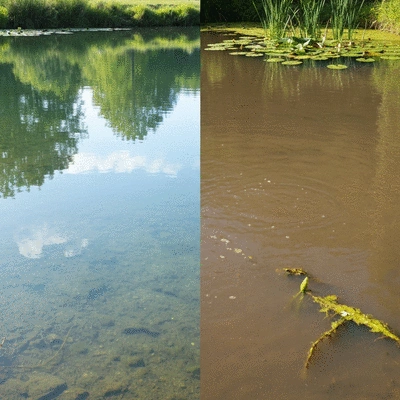
  • Murky appearance: The water may appear cloudy, often changing color from clear to a brownish or greenish hue.
  • Visible debris: Floating particles or sediment can indicate that your water is not circulating effectively.
  • Odor: A foul scent may accompany cloudiness, suggesting that organic matter is decomposing in the water.
  • Algae growth: Excessive algae blooms can also lead to a cloudy environment, often turning the water green.

By keeping an eye out for these symptoms, you can act promptly to remedy the situation. What signs have you noticed in your pond? It’s important to identify these changes early, so you can take the necessary actions!

Common Causes of Cloudy Water: Nutrient Overload and Algae Blooms

Now, let’s discuss some common culprits behind cloudy water. One of the major reasons is nutrient overload, which often leads to algae blooms. When there are excess nutrients, especially phosphorus and nitrogen, it creates the perfect environment for algae to thrive. Here’s what to consider:
  • Over-fertilization: If you’re using fertilizers in nearby gardens, runoff can contribute to nutrient buildup.
  • Fish waste: An overpopulation of fish can lead to a significant increase in waste, further contributing to nutrient levels.
  • Decaying organic matter: Leaves, grass clippings, and other organic materials decompose, releasing nutrients into the water.
Clear pond water next to cloudy pond water, side by side comparison

These factors can be significant contributors to impaired water quality, as indicated in various water health reports. It’s crucial to manage these aspects to keep your pond healthy. Regular monitoring and adjustments to your pond's environment can make a significant difference in water quality!

Understanding Eutrophication: How Nutrient Loading Affects Cloudiness

Eutrophication is a term you may have come across regarding pond health. It refers to the process where water bodies become overly enriched with nutrients, leading to excessive plant and algae growth. This not only causes cloudiness but can also deplete oxygen levels in the water. Here are the main stages of eutrophication:

  • Initial stage: Nutrient runoff begins to accumulate, often unnoticed.
  • Middle stage: Algae blooms start to occur, leading to visible changes in water clarity.
  • Final stage: As algae die off, decay consumes dissolved oxygen, harming aquatic life.

Understanding these stages can help you tackle the problem before it escalates. Have you noticed any of these changes in your pond?

The Role of Dissolved Oxygen in Maintaining Water Clarity

Dissolved oxygen plays a vital role in the health of your pond. It supports fish and beneficial bacteria, which help break down organic matter. Without sufficient oxygen levels, your pond can become a breeding ground for harmful bacteria and excess algae. Here are some ways to maintain optimal oxygen levels:

  • Utilize aeration systems to increase oxygen diffusion.
  • Limit nutrient input by managing runoff effectively.
  • Encourage the growth of aquatic plants that release oxygen into the water.

By prioritizing dissolved oxygen, you're not just enhancing clarity; you're fostering a healthy ecosystem. The EPA's reviews on water quality often highlight the critical importance of dissolved oxygen for aquatic life. What steps have you taken to ensure your pond remains well-oxygenated?

Pro Tip

To effectively manage and prevent cloudy pond water, consider implementing a regular routine of testing your water quality. Make sure to check levels of pH, ammonia, nitrites, and nitrates at least once a month. This proactive approach allows you to catch any potential issues early, ensuring a healthier aquatic environment for your fish and plants!

Maintaining Optimal Pond Water Quality: Key Takeaways

Keeping your pond water quality at its best is essential for a thriving aquatic ecosystem! At Clear Pond Solutions, we believe that understanding the fundamentals of pond maintenance will empower you to take charge of your water's health. Remember, a little bit of effort goes a long way in ensuring your pond remains a beautiful and balanced environment.

Pond owner testing water quality with a kit

Here are some key takeaways to help you maintain optimal pond water quality:

  • Regularly test your water for pH, ammonia, nitrites, and nitrates.
  • Implement seasonal maintenance practices to address changes in weather.
  • Incorporate beneficial bacteria to enhance the natural filtration process.

By following these takeaways, you can pave the way for a healthy ecosystem that not only supports fish but also encourages aquatic plants and wildlife!

Creating a Seasonal Maintenance Calendar for Your Pond

A well-thought-out seasonal maintenance calendar is vital for keeping your pond in tip-top shape! Just like how we adapt our routines with changing seasons, your pond requires a tailored approach as well. Here’s a simple guide to help you plan your pond care throughout the year:

  • Spring: Inspect for debris, check water quality, and introduce beneficial bacteria.
  • Summer: Focus on algae control, ensure proper aeration, and maintain fish health.
  • Fall: Remove fallen leaves, prepare for cooler temperatures, and monitor water levels.
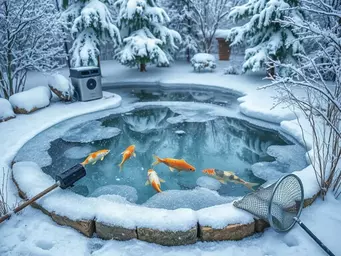
  • Winter: Consider covering your pond to protect it from ice and snow buildup.

This calendar not only ensures consistent care but also helps you anticipate the needs of your pond as the seasons shift. Have you created your seasonal schedule yet?

Empowering Pond Owners: DIY Solutions and Resources for Common Issues

As a pond owner, you have the power to tackle common issues using DIY solutions! At Clear Pond Solutions, I’ve seen firsthand how empowering individuals with knowledge can lead to healthier ponds. Here are some effective DIY methods you can implement:

  • Use natural pond plants to compete with algae for nutrients.
  • Set up a simple aeration system using a pond pump and airstone.
  • Create a compost tea using pond sediment to provide organic nutrients.

These solutions not only enhance your pond's health but also save you money and promote sustainable practices! What DIY methods have you tried in your pond?

Engaging with Your Pond Community: Sharing Experiences and Solutions

Engaging with fellow pond enthusiasts can be incredibly rewarding! Sharing experiences and solutions not only enhances your own knowledge but also contributes to a vibrant pond community. I encourage everyone to connect and learn from each other.

Case Studies: Success Stories from Pond Owners

Success stories from fellow pond owners can provide inspiration and practical solutions for your own challenges! Here are a few examples of how community members improved their pond conditions:

  • John's Journey: After struggling with algae blooms, John introduced koi fish, which helped manage the algae naturally.
  • Sarah's Seasonal Shifts: Sarah created a seasonal maintenance checklist, allowing her to easily keep up with necessary tasks.
  • Tina's Aquatic Garden: Tina added native plants, which not only improved water quality but also attracted local wildlife.

These stories reflect the diverse approaches to pond care and highlight the success that can come from community engagement!

Downloadable Resources: Free Water Testing Kits and Checklists for Pond Care

To further empower pond owners, I've compiled a range of downloadable resources, including free water testing kits and maintenance checklists. These tools are designed to simplify your pond care routine and keep your water quality in check!

  • Water Testing Kit: A simple kit that helps you measure pH, ammonia, nitrite, and nitrate levels.
  • Pond Maintenance Checklist: A month-by-month guide for maintaining your pond throughout the year.
  • DIY Problem-Solving Guide: Tips and tricks for dealing with common pond issues without breaking the bank.

By utilizing these resources, you can take proactive steps towards creating a healthier pond environment. Have you downloaded your resources yet?

Understanding Aquatic Plants: Their Role in Enhancing Water Quality

Aquatic plants play a crucial role in maintaining water quality! At Clear Pond Solutions, I often emphasize how they help oxygenate the water, provide habitat for fish, and compete with algae for nutrients. Here are some essential benefits of incorporating aquatic plants in your pond:

  • They absorb excess nutrients, preventing algae growth.
  • They provide shelter for fish and other wildlife.
  • They enhance the aesthetic appeal of your pond.

The role of aquatic plants in aquaculture and pond health is widely recognized, with research highlighting their positive impact on water ecosystems. By understanding and integrating aquatic plants into your pond ecosystem, you can significantly improve water quality and create a more balanced environment. What plants have you considered for your pond?

Frequently Asked Questions About Pond Clarity

Q: What are the primary signs of a cloudy pond?
A: Key signs include murky water (often brownish or greenish), visible floating debris, a foul odor, and excessive algae growth.
Q: What causes nutrient overload in a pond?
A: Nutrient overload can be caused by over-fertilization from nearby gardens, excessive fish waste due to overpopulation, and decaying organic matter such as leaves and grass clippings.
Q: What is eutrophication and how does it affect my pond?
A: Eutrophication is the process where a water body becomes excessively rich in nutrients, leading to rampant plant and algae growth. This causes cloudiness and can severely deplete dissolved oxygen, harming aquatic life.
Q: Why is dissolved oxygen important for pond health?
A: Dissolved oxygen is crucial because it supports fish and beneficial bacteria that break down organic matter. Low oxygen levels can lead to harmful bacteria and excess algae, making the pond unhealthy.
Q: What are some simple DIY solutions for improving pond clarity?
A: DIY solutions include using natural pond plants to absorb nutrients, setting up a basic aeration system with a pond pump and airstone, and creating compost tea from pond sediment to provide organic nutrients.

Recap of Key Points

Here is a quick recap of the important points discussed in the article:
  • Regularly test your pond water for pH, ammonia, nitrites, and nitrates to ensure optimal health.
  • Monitor for signs of cloudiness, including murky appearance, visible debris, foul odors, and algae growth.
  • Manage nutrient levels by minimizing fertilizer runoff, fish waste, and decaying organic matter to prevent algal blooms.
  • Understand the stages of eutrophication and its effects on water clarity and oxygen levels.
  • Incorporate aeration systems and aquatic plants to maintain adequate dissolved oxygen levels and enhance water quality.
  • Create a seasonal maintenance calendar to ensure consistent pond care throughout the year.
  • Engage with the pond community for shared experiences and solutions to common challenges.
Subscribe & Share

About Clear Pond Solutions

At Clear Pond Solutions, we empower you with expert guidance and eco-friendly solutions to create and maintain pristine, healthy pond ecosystems. Your thriving pond is our priority.