What Buffer Zones Do
- Reduce nutrient runoff (Nitrogen, Phosphorus)
- Filter sediment & pollutants
- Provide wildlife habitat & lower water temperatures

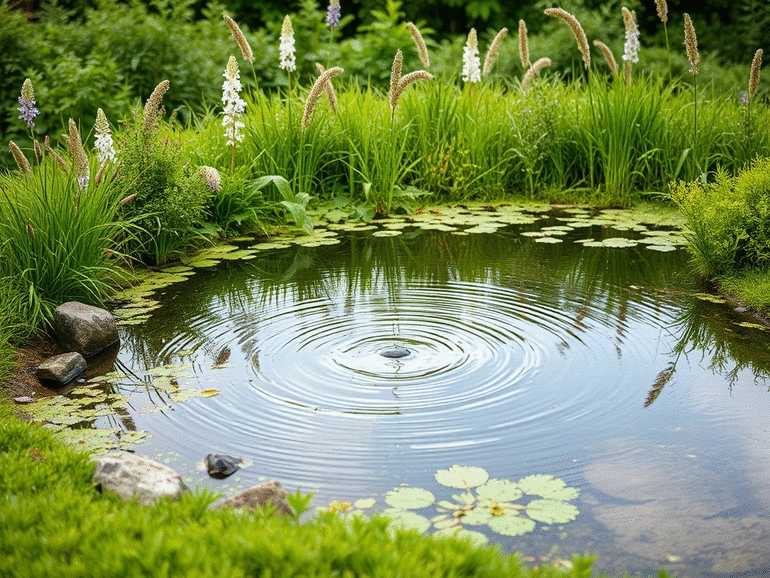
Ever thought about how a simple strip of vegetation could dramatically improve your pond's water quality? Buffer zones are not just barriers; they are vital allies in maintaining a healthy aquatic ecosystem.
Buffer zones are critical for maintaining pond water quality and fostering a healthy ecosystem. Below, we illustrate key aspects of their function and implementation.
As a pond care expert, I often emphasize the significance of buffer zones for maintaining water quality in ponds. But what exactly is a buffer zone? Simply put, it's a strip of land planted with vegetation that acts as a natural barrier between your pond and surrounding areas. These zones play a vital role in filtering pollutants, absorbing excess nutrients, and providing habitat for wildlife. By understanding buffer zones, you can take essential steps toward a healthier pond ecosystem!
Buffer zones are crucial because they protect your pond from various environmental threats. They not only enhance the aesthetic appeal of your landscape but also support biodiversity. Whether you are managing a small backyard pond or a larger commercial water feature, incorporating effective buffer zones is essential for long-term success.
A buffer zone is an area of vegetation that separates a pond from its surrounding landscape. This area can include trees, shrubs, and grasses that work together to filter runoff and reduce erosion. By acting as a barrier, buffer zones help keep harmful substances, like fertilizers and pesticides, from entering the pond. Have you ever noticed how much clearer the water is in a pond with a healthy buffer zone? It's remarkable!
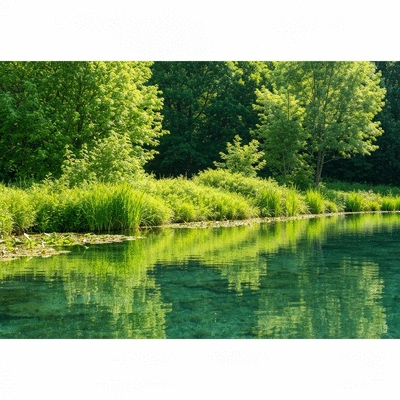
In essence, buffer zones are your first line of defense in maintaining a clean and healthy pond. They create a natural filtration system that supports aquatic life and keeps your water quality in check. The University of Florida IFAS Extension provides valuable insights on how plants can naturally prevent erosion in stormwater ponds, further highlighting the importance of buffer vegetation.
Riparian buffers, a specific type of buffer zone located along the water's edge, are especially important for ponds. They serve as a crucial link between aquatic and terrestrial ecosystems. With a variety of plants, riparian buffers create diverse habitats that support different species, making your pond a thriving ecosystem! The University of Minnesota Water Resources Center offers extensive information on the design and management of stormwater ponds, including the critical role of riparian buffers.
Furthermore, these buffers help combat climate change by capturing carbon and providing shade, which can lower water temperatures. This is particularly important for fish and other aquatic organisms that thrive in cooler waters.
Buffer zones play a pivotal role in improving water quality by filtering out pollutants and managing water flow. By absorbing excess nutrients before they reach your pond, these zones can significantly reduce problems like algae blooms. Remember, a well-designed buffer zone is not just about aesthetics—it's about creating a sustainable environment!
Nutrient runoff can be a major concern for pond owners. When rainwater washes over lawns, roads, or agricultural fields, it can carry fertilizers and other chemicals into nearby water bodies. Buffer zones effectively intercept this runoff, using their vegetation to absorb and filter out these harmful substances before they can reach your pond. For example, healthy underwater grasses in the Chesapeake Bay continue to demonstrate their vital role in improving water quality.
By implementing buffer zones, you actively contribute to maintaining water quality and promoting a balanced ecosystem. Make sure to consider buffer zones as an essential part of your pond care strategy! Remember, every little bit helps in creating a healthy aquatic environment.
Here's a brief recap of the key points discussed so far:
Here are some common questions about buffer zones and their role in pond health:
As you embark on your journey to create effective buffer zones around your pond, having the right tools and resources can make all the difference! Here at Clear Pond Solutions, I understand that starting with precise calculations and knowledge can simplify the process immensely. Let's explore some practical resources and calculators that will assist you in implementing your buffer zones effectively.
One of the first steps in establishing a buffer zone is knowing how much space you’ll need. Our Buffer Sizing Tool helps you determine the appropriate width and area based on your pond's specific requirements. With this tool, you’ll be able to:
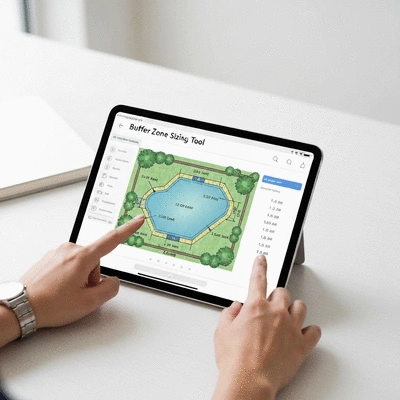
Using this calculator not only streamlines your planning process, but it also ensures that your buffer is tailored to your unique environment. Have you tried our sizing tool yet?
In addition to sizing calculators, I also offer downloadable worksheets that provide detailed species lists tailored to your region. These resources are invaluable, especially when choosing the right plants for your buffer zones. You’ll find:
These worksheets serve as a handy reference, helping you make informed decisions about the best plants to introduce into your buffer zone. Remember, selecting the right species is essential for creating a thriving ecosystem!
Having a comprehensive water management plan is key to ensuring that your buffer zone functions as intended. This plan should detail the following:
By developing a clear water management plan, you can monitor and assess the performance of your buffer zones over time. It’s all about keeping your pond in top shape and enhancing the environment around it!
Looking ahead is crucial for the sustainability of your buffer zones. Here at Clear Pond Solutions, I encourage pond owners to think long-term. What steps can you take to ensure that your buffer remains effective year after year? Let’s dive into some essential strategies!
A well-thought-out maintenance plan will help you stay on track with your buffer zone care. Consider outlining your tasks for the next three years, including:
Having a structured plan in place can save you time and effort, making it easier to keep your buffer zone thriving!
Budgeting is an important part of your buffer zone project. I recommend creating a detailed cost estimate that includes:
By understanding the financial aspects of your project, you can better allocate your resources and seek support when necessary.
Finally, consider exploring conservation easements as a way to protect your buffer zones long-term. These legal agreements can provide numerous benefits including:
By taking advantage of conservation easements, you can ensure your buffer zones remain protected and effective for generations to come!
Here is a quick recap of the important points discussed in the article: