Causes of Sediment Build-Up
- Soil Erosion: Runoff from heavy rainfall.
- Vegetation Decay: Decomposing aquatic plants.
- Animal Activity: Wildlife disturbing soil.
- Nutrient Runoff: Fertilizers leading to algae decay.

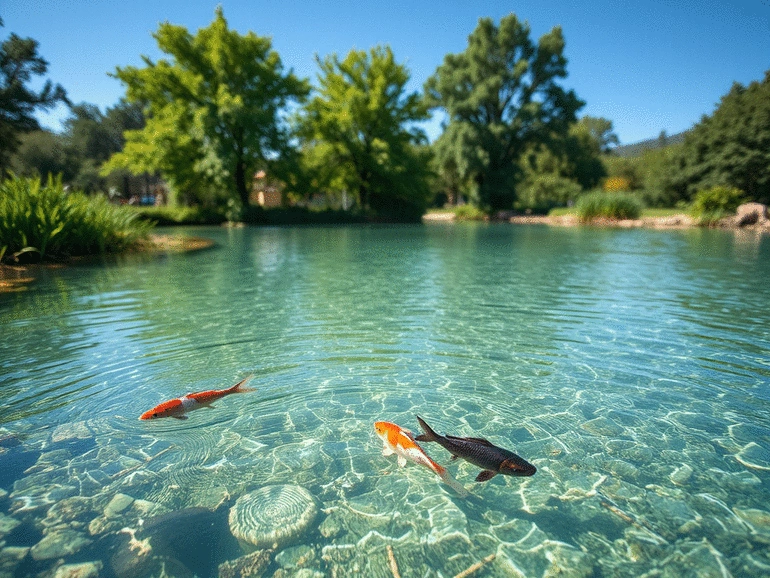
Have you ever considered how the clarity of your pond could impact its entire ecosystem? Understanding the role of sediment buildup is essential for maintaining a vibrant aquatic environment. Let's explore the key insights that every pond owner should know.
Understanding the factors contributing to sediment accumulation and its effects is crucial for maintaining a healthy and clear pond environment.
As a pond owner, you may often find yourself wondering why your water isn't as clear as it could be. One major culprit can be sediment build-up. Understanding this phenomenon is key to maintaining a healthy pond environment. Sediment, which consists of particles like soil, silt, and organic matter, can accumulate over time, leading to a number of issues that affect not just the clarity of your water, but the overall health of your pond. For comprehensive guidance on pond management, you can refer to resources from the Indiana Department of Natural Resources, which offers detailed insights into maintaining private ponds and lakes.
So, what causes sediment accumulation? Let's explore this further!
Several factors can contribute to sediment build-up in your pond. Here are some common causes:
By identifying these factors, you can start to implement strategies to reduce sediment input. It’s a proactive approach that can significantly improve your pond’s health!
Poor water quality due to sediment accumulation can have serious ramifications for your pond's aquatic life. When sediment builds up, it can:
Recognizing these consequences can motivate you to take action to keep your pond healthy and vibrant. Have you noticed any changes in your pond's life lately?
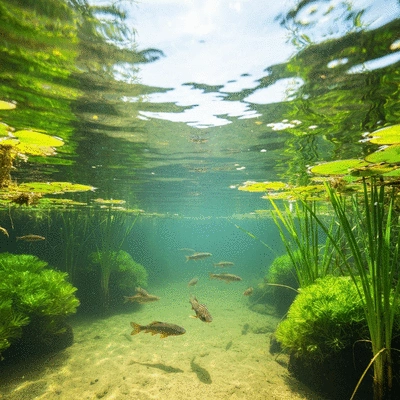
Nutrient runoff is another significant factor in sediment build-up. When fertilizers and pesticides from nearby lawns or agricultural fields wash into your pond, they can cause excessive growth of algae and aquatic plants. This leads to:
Understanding the influence of nutrient runoff can help you make informed decisions regarding your pond care practices. Have you thought about how fertilizers might be impacting your pond's ecosystem? For further reading on water quality threats, the Penn State Extension provides valuable information on common water quality concerns for ponds.
Now that we understand the causes and effects, let’s focus on effective strategies to prevent sediment buildup in your pond. Implementing these practices can lead to a clearer, healthier pond that’s more enjoyable for both you and the aquatic life it supports!
Are you ready to dive into these strategies? Let's work together to keep your pond clear and healthy!
Here's a brief recap of the key points discussed so far:
Here are some common questions about pond sediment and its management:
As a pond owner, understanding the long-term impact of sediment management is vital for maintaining a healthy aquatic ecosystem. It’s not just about keeping your pond looking great; it's about ensuring its ecological balance and sustainability. Regular sediment management practices can significantly enhance pond clarity and support the diverse life within. Let's explore how these practices affect aquatic ecosystems, engage our communities, and respond to the challenges posed by climate change. Detailed conservation practices, including pond management, are also outlined by the USDA Natural Resources Conservation Service, providing valuable standards for effective maintenance.
Managing sediment effectively can lead to profound positive changes in your pond's ecosystem. When sediment levels are controlled, the clarity of the water improves, making it easier for aquatic plants to photosynthesize and thrive. Here are a few key benefits:
By focusing on sediment management, you're not just improving the aesthetics of your pond; you're also creating a thriving environment for all its inhabitants. Have you noticed any positive changes in your pond's ecosystem due to sediment control?

At Clear Pond Solutions, we believe that community engagement is essential for successful pond management. Involving local residents can foster a sense of ownership and responsibility towards preserving our shared aquatic resources. Here are some practical ways to engage your community:
When we work together, we can share knowledge and practices that not only enhance our ponds but also strengthen community bonds. Have you participated in any local pond care events? We’d love to hear your experience!
Understanding these dynamics helps pond managers prepare and adjust their strategies. Are you aware of how climate change might be affecting your pond? Keeping tabs on these changes can help you take proactive measures!
Here is a quick recap of the important points discussed in the article: