Home >

Invasive Pond Weeds: Identification and Removal

Invasive Pond Weeds: Identification and Removal

Dealing with Invasive Pond Weeds: Identification and Removal Strategies
Evelyn Thatcher | 2026-02-06

What if I told you that failing to manage invasive pond weeds could lead to significant ecological and economic consequences? Understanding these plants is the first step toward preserving the integrity of your aquatic ecosystem.

What You Will Learn

  • How to identify common invasive pond weeds such as Fanwort, Eurasian Milfoil, and Hydrilla.
  • The ecological impacts of invasive species, including disruption of food chains and reduced water quality.
  • The role of eutrophication in promoting invasive plant growth and its effects on water quality.
  • Essential monitoring strategies to maintain a healthy pond ecosystem after removing invasive plants.
  • When to seek professional help for severe infestations and water quality issues.

Pond Management: DIY vs. Professional Services

Here's a comparison to help you weigh your options for managing your pond's health effectively.

Aspect Comparison

  • Initial Investment
  • Maintenance Costs
  • Time Commitment

DIY Approach

  • Lower, but may require multiple tools
  • Variable; depends on ongoing needs
  • High; requires regular attention

Professional Services

  • Higher upfront cost, but includes labor and expertise
  • Consistent cost; often includes annual contracts
  • Low; professionals handle the workload

Understanding Invasive Pond Weeds: Identification and Impact

Pond owners often encounter invasive species that can disrupt the delicate balance of their aquatic ecosystems. Understanding these weeds is crucial for effective management and maintaining a healthy pond. In this section, we'll explore how to identify these invasive pond weeds and the impacts they can have on your water environment.

By recognizing these plants early, you can take steps to mitigate their spread before they become a bigger problem. Let’s dive into some of the most common culprits!

Recognizing Common Invasive Pond Weeds

Identifying invasive pond weeds is essential for taking timely action. Here’s a breakdown of some notorious species you might encounter:

  • Fanwort: This plant has long, thin leaves that spread out in a fan-like shape. It thrives in slow-moving waters and can quickly cover large areas.
  • Eurasian Milfoil: Known for its feathery appearance, this weed can grow to significant depths and is notorious for disrupting local ecosystems. For more detailed information on identifying this and other aquatic vegetation, you can refer to resources like Purdue University's guide on identifying and managing aquatic vegetation.
  • Duckweed: Small, green floating plants that can quickly blanket the surface of your pond, limiting sunlight for other aquatic life.
  • Hydrilla: With its serrated leaves and rapid growth rate, Hydrilla can choke waterways, making it hard for fish and other wildlife. Information from the Florida Fish and Wildlife Conservation Commission provides further insights into managing invasive aquatic plants like Hydrilla.
  • Bushy Pondweed: This plant is characterized by bushy, branched stems, often found in dense patches that can outcompete native species.

Each of these weeds presents unique challenges, and recognizing them is the first step towards effective management. Have you spotted any of these in your pond?

The Ecological and Economic Impact of Invasive Species

Invasive pond weeds can have extensive ecological repercussions. They not only outcompete native flora but can also lead to a decline in biodiversity. Here are a few key impacts:
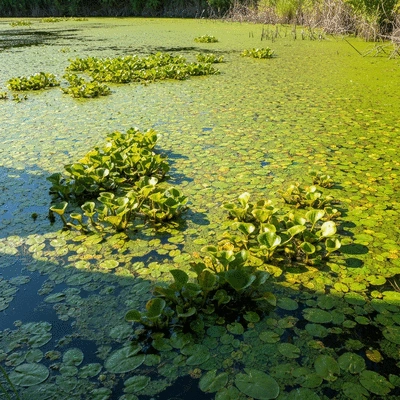
  • Disruption of Food Chains: Invasive weeds can alter habitats, affecting fish and other wildlife that rely on native plants.
  • Reduced Water Quality: Dense plant growth can lead to decreased oxygen levels, harming aquatic life.
  • Increased Maintenance Costs: Homeowners may need to invest more in controlling these weeds, leading to higher overall expenses.
Close-up of invasive pond weeds growing densely in a pond, showing their impact on water quality

Addressing these invasive plants is not just about aesthetics; it’s about preserving the health of your pond and the surrounding ecosystem! For additional information on invasive aquatic weeds and their management, you might find resources from the New York Invasive Species Information helpful.

The Role of Eutrophication in Invasive Plant Proliferation

Eutrophication, often caused by nutrient runoff from fertilizers and other sources, significantly contributes to the growth of invasive pond weeds. Here’s how it works:

  • Nutrient Overload: Excess nutrients, particularly nitrogen and phosphorus, promote rapid plant growth.
  • Poor Water Quality: As invasive weeds proliferate, they can lead to oxygen depletion, negatively affecting fish and aquatic organisms.
  • Algal Blooms: Eutrophication can also trigger harmful algal blooms, further complicating pond management efforts.

Understanding the relationship between nutrient runoff and invasive plants is vital for maintaining water quality. It’s a challenge, but with the right approach, you can create a thriving pond ecosystem!

Pro Tip

Did you know? Regularly inspecting your pond for early signs of invasive weeds can save you time and resources in the long run. Consider setting up a biweekly or monthly schedule for visual checks to catch potential issues before they escalate!

Frequently Asked Questions About Invasive Pond Weeds

Q: What are the most common invasive pond weeds?
A: Some of the most common invasive pond weeds include Fanwort, Eurasian Milfoil, Duckweed, Hydrilla, and Bushy Pondweed.
Q: How do invasive pond weeds impact a pond's ecosystem?
A: Invasive pond weeds can disrupt food chains, reduce water quality by decreasing oxygen levels, and increase maintenance costs for pond owners.
Q: What is eutrophication and how does it relate to invasive plant growth?
A: Eutrophication is the enrichment of water bodies with nutrients, often from runoff, leading to excessive plant growth, including invasive species. This nutrient overload can cause oxygen depletion and harmful algal blooms.
Q: What are key indicators for monitoring a pond's health after removing invasive plants?
A: Key indicators include water clarity, the presence or absence of algal blooms, the diversity of aquatic plants, and the activity of fish and wildlife.
Q: When should I consider hiring professional pond management services?
A: Professional help is recommended for severe infestations that persist despite DIY efforts, consistent water quality problems, or if you have significant time constraints for pond maintenance.

Monitoring and Maintaining a Healthy Pond Ecosystem

Once you've tackled invasive pond weeds, the next crucial step is monitoring and maintaining a healthy ecosystem. This ongoing effort helps ensure that your pond remains balanced and resilient against future invasions. Let’s dive into how you can effectively monitor your pond after removal efforts!

Post-Removal Monitoring: Ensuring Long-Term Success

Establishing a robust monitoring plan is essential for long-term success in managing your pond. To effectively track your pond's health, focus on the following key indicators:

  • Water clarity: Clear water often means a balanced ecosystem.
  • Algal blooms: The presence of algae can indicate nutrient imbalances.
  • Diversity of aquatic plants: A variety of healthy plants supports wildlife.
  • Fish and wildlife activity: Increased activity can signal a thriving ecosystem.

Watching these indicators over time will help you make informed decisions about any necessary interventions. Regular assessments keep your pond vibrant and healthy, ensuring that Clear Pond Solutions can provide practical guidance tailored to your unique situation.

Creating a Monitoring Schedule for Your Pond

Consistency is key when it comes to monitoring your pond. I recommend creating a detailed monitoring schedule that outlines:

  • Weekly check-ins: Look for changes in water clarity and plant growth.
  • Monthly assessments: Conduct more thorough examinations of water quality and biodiversity.
  • Seasonal reviews: Prepare for changing conditions by evaluating your pond's overall health with the seasons.

By sticking to this schedule, you'll have a better grasp of your pond's dynamics and can catch any potential issues before they escalate.

Aquatic Plant Surveys: Assessing Biodiversity and Health

Conducting aquatic plant surveys can give you valuable insights into the health of your pond ecosystem. These surveys help identify:

  • Native vs. invasive species: Understanding which plants are thriving is essential.
  • Overall biodiversity: A diverse plant community supports diverse wildlife.
  • Changes over time: Tracking changes can indicate shifts in water quality or ecosystem health.

With these surveys, you can gather data that informs your ongoing management strategies. Remember, a little effort in monitoring can lead to a healthier, more balanced pond!

Seeking Professional Help: Weighing Your Options

While many pond owners take the DIY route, there are times when seeking professional help can make all the difference. At Clear Pond Solutions, we understand that choosing the right approach depends on your specific needs and circumstances. Let’s explore when it might be best to bring in the experts!

When to Consider Professional Pond Management Services

Here are some scenarios where engaging professional services may be beneficial:

  • Severe infestations: If invasive weeds persist despite your efforts, professionals have the experience and tools to manage them effectively.
  • Water quality issues: If you're struggling with consistent water quality problems, a pond management service can provide targeted solutions.
  • Time constraints: If pond maintenance feels overwhelming, hiring experts can alleviate the burden.

Choosing professionals can lead to better outcomes and save you time. Plus, their expertise can provide you with peace of mind knowing your pond is in capable hands.

Cost Comparisons: DIY vs. Professional Services

When considering pond management, you may wonder about the costs involved. Here's a quick comparison to help you weigh your options:

Aspect DIY Professional Services
Initial Investment Lower, but may require multiple tools Higher upfront cost, but includes labor and expertise
Maintenance Costs Variable; depends on ongoing needs Consistent cost; often includes annual contracts
Time Commitment High; requires regular attention Low; professionals handle the workload

Ultimately, the choice between DIY and professional services hinges on your budget, time availability, and comfort level with pond management.

Finding the Right Service Provider for Your Needs

When you decide to seek help, it’s essential to find the right service provider. Here are some points to consider:
  • Experience: Look for companies with a proven track record in managing ponds.
  • References: Ask for testimonials from previous clients to gauge satisfaction.
  • Approach: Choose a provider whose methods align with your values, especially regarding eco-friendly practices.
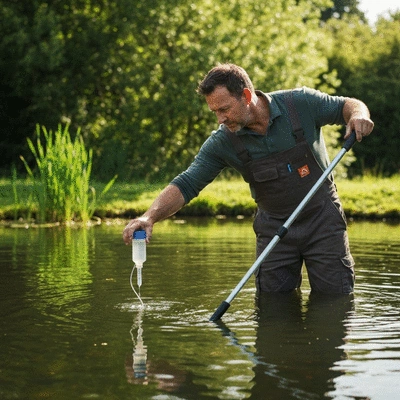
Close-up of a pond management professional taking a water sample from a clean, healthy pond

Engaging a service provider who understands your specific needs can lead to better results and a healthier pond environment.

Questions to Ask Potential Services

To ensure you find the best fit for your pond care, consider asking potential service providers the following questions:

  • What methods do you use for weed control and pond maintenance?
  • Can you provide a detailed plan outlining your approach?
  • What are the expected costs and timelines for the services you offer?

By conducting thorough research, you can make a more informed decision about the right partner for your pond care journey!

Exploring Community Awareness and Educational Programs

Don’t underestimate the value of community resources! Many local organizations offer educational programs that can empower you and your neighbors in pond management. Participating in these programs can:

  • Enhance your knowledge of local ecosystems and best practices.
  • Connect you with experts and fellow pond enthusiasts.
  • Provide resources for ongoing support in monitoring and maintaining your pond.

At Clear Pond Solutions, we believe that community engagement fosters a greater understanding of aquatic ecosystems, benefiting everyone involved!

Conclusion: Taking Action Against Invasive Pond Weeds

As we wrap up this section, remember that proactive measures and ongoing monitoring are crucial to keeping your pond healthy and beautiful. By creating a custom action plan that incorporates both personal efforts and professional help when needed, you'll contribute to the well-being of your pond ecosystem and enjoy its splendor for years to come!

Recap of Key Points

Here is a quick recap of the important points discussed in the article:
  • Identify Invasive Weeds: Recognize common species like Fanwort, Eurasian Milfoil, Duckweed, Hydrilla, and Bushy Pondweed to take timely action.
  • Understand Ecological Impact: Invasive weeds disrupt food chains, reduce water quality, and increase maintenance costs.
  • Monitor Water Quality: Regularly check indicators such as water clarity, algal blooms, and diversity of aquatic plants to ensure ecosystem health.
  • Create a Monitoring Schedule: Implement weekly check-ins, monthly assessments, and seasonal reviews for ongoing evaluation.
  • Consider Professional Help: Engage experts when facing severe infestations or persistent water quality issues for effective management.
  • Leverage Community Resources: Participate in local educational programs to enhance your pond management knowledge and connect with fellow enthusiasts.
Subscribe & Share

About Clear Pond Solutions

At Clear Pond Solutions, we empower you with expert guidance and eco-friendly solutions to create and maintain pristine, healthy pond ecosystems. Your thriving pond is our priority.