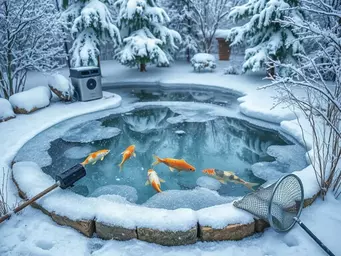
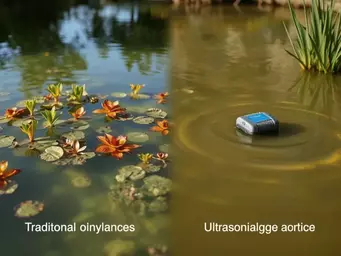
Water Quality Factors
- •Nutrient Levels (Nitrogen & Phosphorus)
- •Temperature
- •Pollution (Runoff)
- •Stocking Density (Fish)

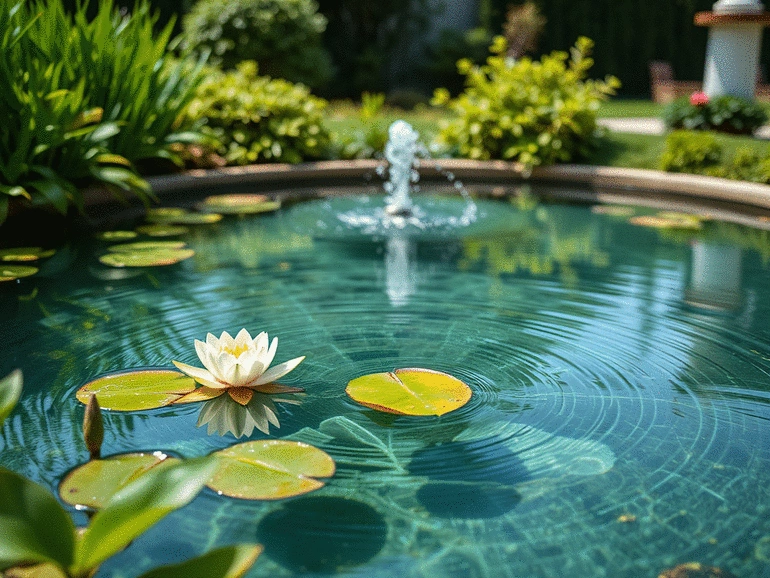
Did you know that maintaining proper water quality in your pond can significantly enhance its beauty and functionality? Discovering the key factors affecting pond health can empower you to create a thriving aquatic environment!
Effective pond management relies on consistently monitoring and addressing crucial water quality factors, ensuring a healthy aquatic ecosystem.
Water quality is crucial for maintaining a healthy pond environment, whether it’s for recreational use or as a serene addition to your home landscape. Proper water quality not only supports aquatic life but also enhances the aesthetic appeal of your pond. Poor water quality can lead to a range of problems, from algae blooms to fish kills, which is why understanding its impacts is essential for every pond owner! If you're a pond owner or manager, you can find a comprehensive checklist for assessing your pond's health from Penn State Extension.
Several factors can significantly influence the water quality in your pond. These include:
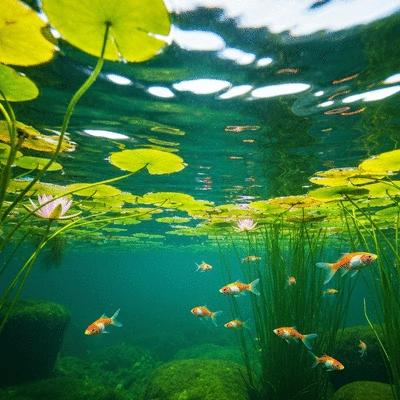
Keeping these factors in check is a major part of successful pond management! I've seen firsthand how a little attention to water quality can create a thriving ecosystem. For more information on potential water quality concerns, the Penn State Extension also provides detailed insights.
Pond owners often face specific water quality challenges. Some of the most common issues include:
By identifying these issues early, you can take steps to mitigate their effects. Regular testing and monitoring are key aspects of this process!
Aquatic plants play a vital role in regulating water quality in ponds. They provide shade, which helps lower water temperatures, and they absorb excess nutrients that could otherwise fuel harmful algal blooms. Additionally, these plants can enhance the biodiversity of your pond by providing habitat for fish and insects.
Incorporating a variety of aquatic plants is a simple yet effective way to promote a balanced pond ecosystem. Have you considered what plants might work best in your pond?
Did you know? Regularly testing your pond's water quality not only helps identify issues early but also promotes healthier aquatic life. Aim to check pH, dissolved oxygen, and nutrient levels at least once a month for optimal pond health!
Maintaining pristine water quality in your pond is essential for a healthy ecosystem. To effectively manage this, you need to engage in consistent water quality testing and monitoring. This process not only ensures a balanced environment but also helps in identifying potential problems before they escalate. Are you ready to dive into the crucial testing methods for your pond?
It's essential to prioritize certain tests that can help assess the overall health of your pond. Here’s a quick overview of some fundamental water tests you should perform regularly:
Implementing these tests can help create a vibrant and balanced pond environment, ensuring the longevity of your aquatic life!
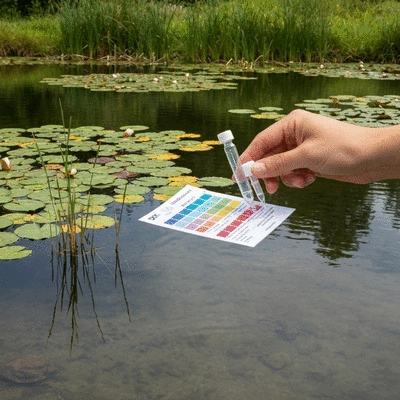
Let’s break down the essential tests you'll need to keep your pond thriving. First, testing for pH is straightforward and can be done with simple kits available at garden centers. After that, assessing dissolved oxygen levels is equally vital since oxygen is necessary for all aquatic organisms.
By following these steps, you can effectively monitor and maintain your pond’s water quality. It’s all about keeping your aquatic ecosystem healthy and balanced!
Testing for E. coli and coliform bacteria is crucial, especially if your pond is used for swimming or has wildlife. These bacteria indicate potential health risks and contamination in your water source. First, you can collect a water sample in a sterile container; ensure it’s sealed tightly!
Regular testing will provide peace of mind, especially if you enjoy recreational activities in or around your pond. Are you prepared to ensure your pond’s safety?
Managing phosphates and nitrates is necessary to prevent undesirable algae blooms. High concentrations of these nutrients can lead to eutrophication, impacting water clarity and quality. It's essential to keep these levels in check!
With these management strategies, your pond can remain a beautiful and healthy habitat for all its creatures!
To take your pond management a step further, consider investing in monitoring systems. These systems provide real-time data on various water quality indicators, making your job much easier! Many systems now offer smart technology to alert you of any changes in your pond.
With the right tools in place, you’re well on your way to becoming a proficient pond caretaker! What tools are you currently using to monitor your pond’s health? For more detailed information on monitoring and assessment, you can refer to the Ohio EPA's integrated water quality monitoring and assessment report.
Here is a quick recap of the important points discussed in the article: